We left the sushi place in Tomakomai at half past eight and the car turned north from there. Sarufutsu is three hundred and fifty kilometres off. What had been a conversation about where to go tomorrow had, over the stacking of plates, become a plan to arrive tonight, and the moment it was settled somebody started the engine. That is the sort of crowd this is. From the passenger seat I pushed the bags back down around my feet.
Late in the night we went into a shop at the roadside. Somebody was crouched in front of the shelves looking the goods over without having decided on anything. A shop in the middle of the night is a place you walk end to end at least once even when you know what you came for. Only the fluorescent light behind the glass was white; outside was a black with nothing in it. Back on the highway there was fog, the headlight beams stopping round in it with nothing readable beyond, and two signals hung green in the distance.
A railway used to run through here. The Tenpoku line: from Otoineppu out past Hamatonbetsu, through Onishibetsu, down to Minami-Wakkanai. Sarufutsu had a station on it. It was closed in May 1989. Express trains were still running on it when it went. It is said to be the first line folded up whole, without being handed to a third-sector operator, with the trains still running. Stopping a train that is running in order to fold up the line seems to me the wrong way round.
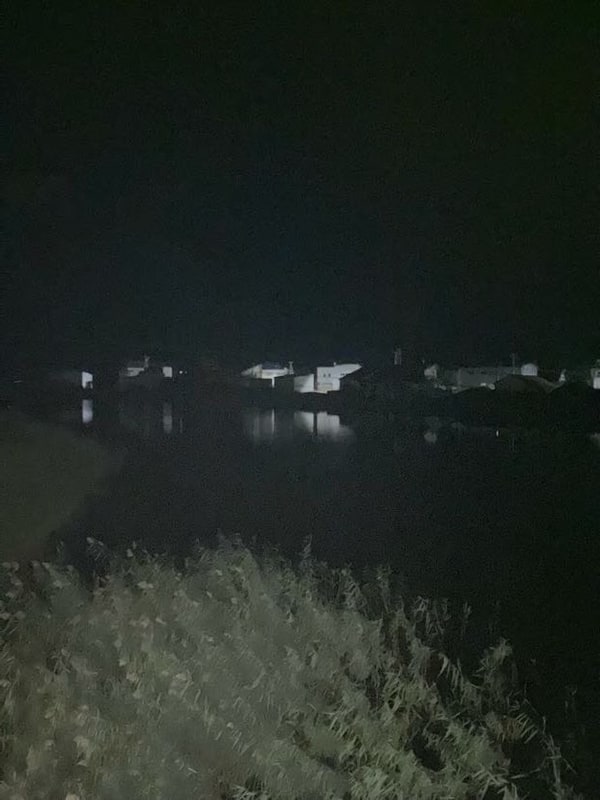
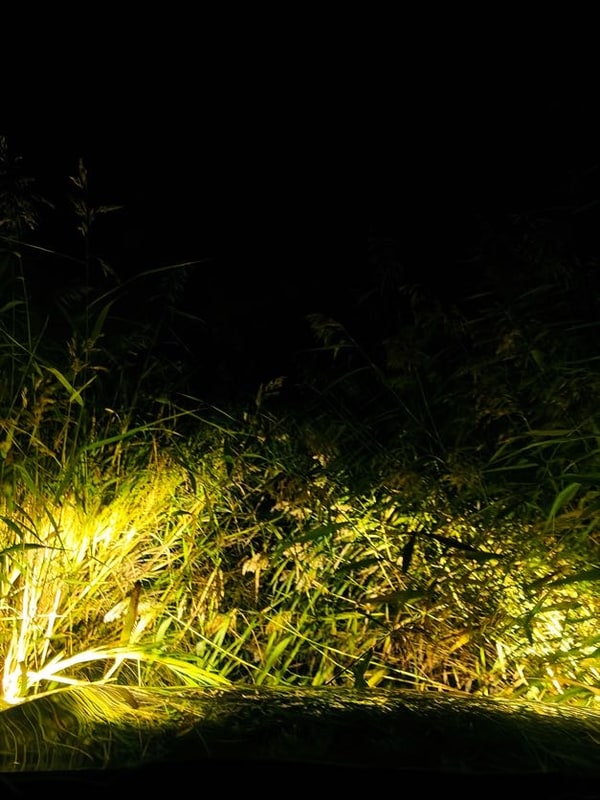
At twenty to three we reached the water. A line of lights on a bridge across from us, reeds and black water on our side. Along the gravel track we would go a short way and stop, and when a light was turned on it, the reeds alone stood up yellow and behind them it was black.
On this river you are asked to hold off from fishing for ito for all but three months of the year. It is not law, only something the people here decided and ask of you, and there is no penalty. The months released are June, and September through October. Of the other nine, the two summer ones are because low water and high temperatures hurt the fry upstream, and the winter into spring because the spawning falls there. The twentieth of September is inside the three. A rule without a penalty also means that nothing happens if you break it, and keeping it anyway is presumably the manners of this place.
We did not put a rod out while it was dark either. Night fishing is dangerous, hold off from it, is also asked here. Three hours, waiting in the dark. There was nothing to do. Those who could sleep slept. I could not.
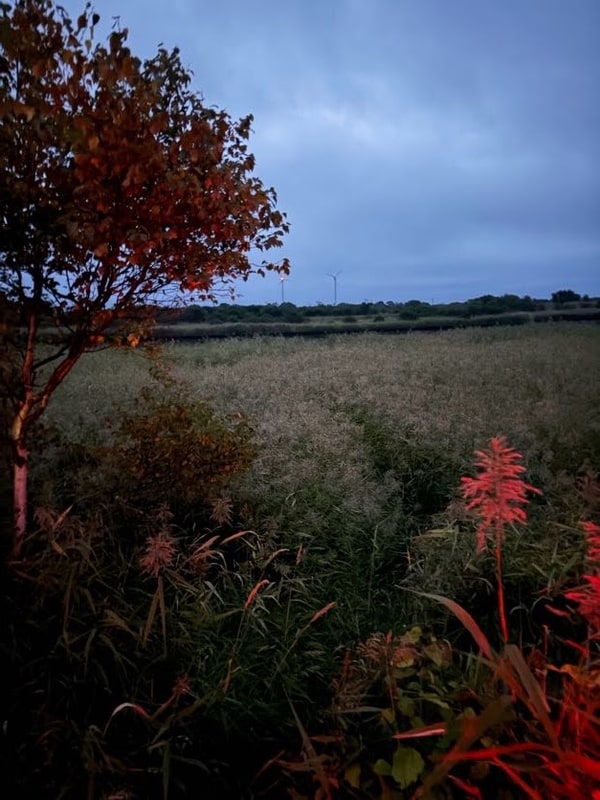
Then the cloud split and went blue. One tree with red leaves stood in the near ground, past it the reed bed spread dark, and the cloud lay low over that. For the first time that day I could see what kind of place I was standing in. Reeds, the water in the gap in them, and sky. That and nothing else.
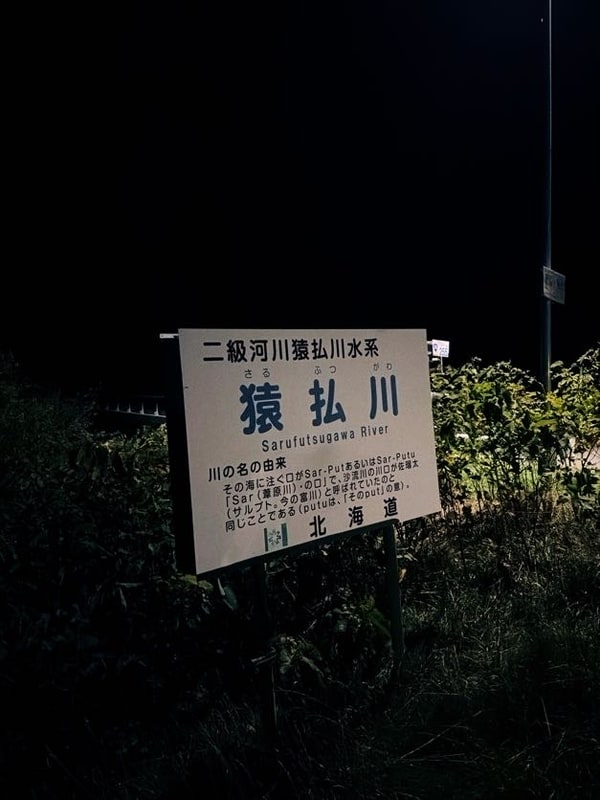
When it was light enough we went down to the bank, where there was a sign. Class two river, the Sarufutsu system, Sarufutsu River, and underneath, the origin of the name. It is Sarputu in Ainu, meaning the mouth of the reed plain. The character for monkey was only borrowed for the sound and has nothing to do with monkeys. What we had seen in the night was exactly what the name said it was.
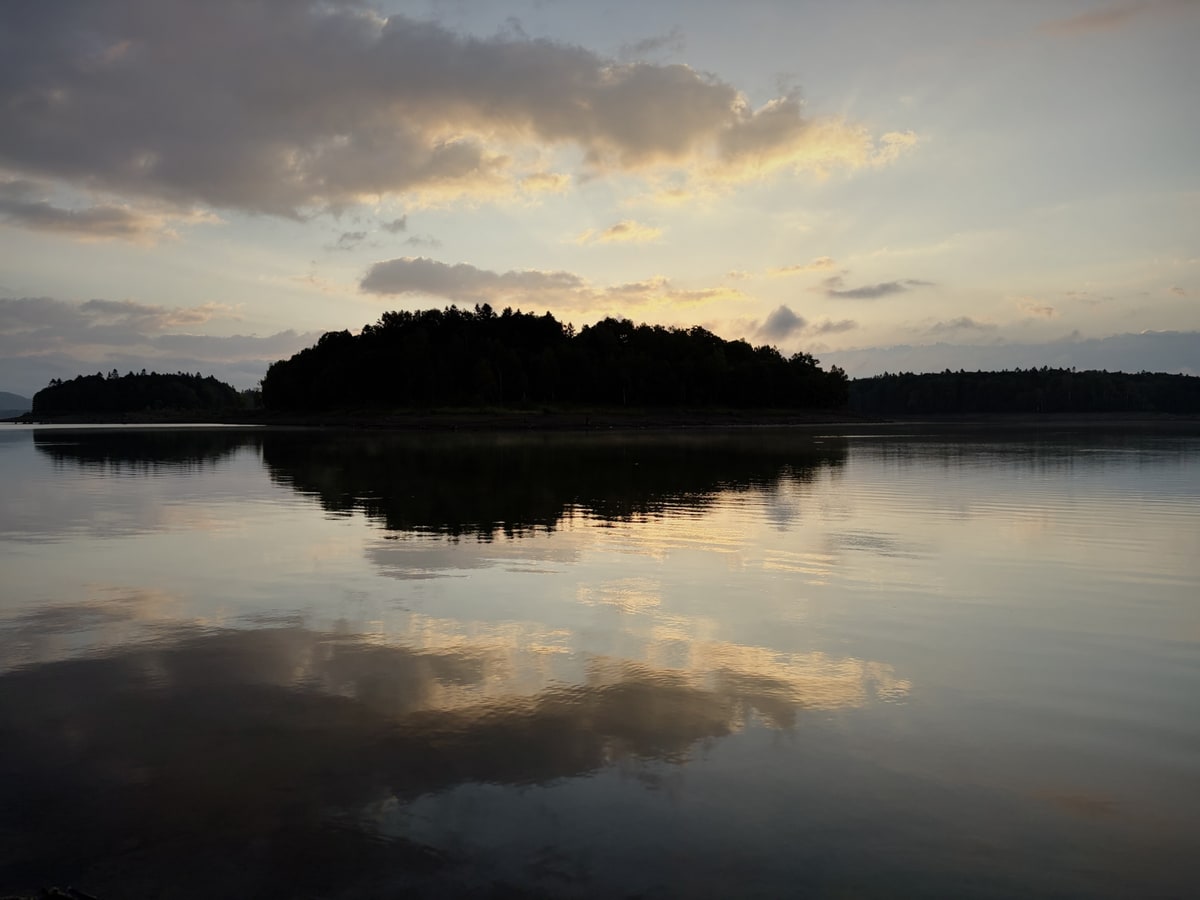
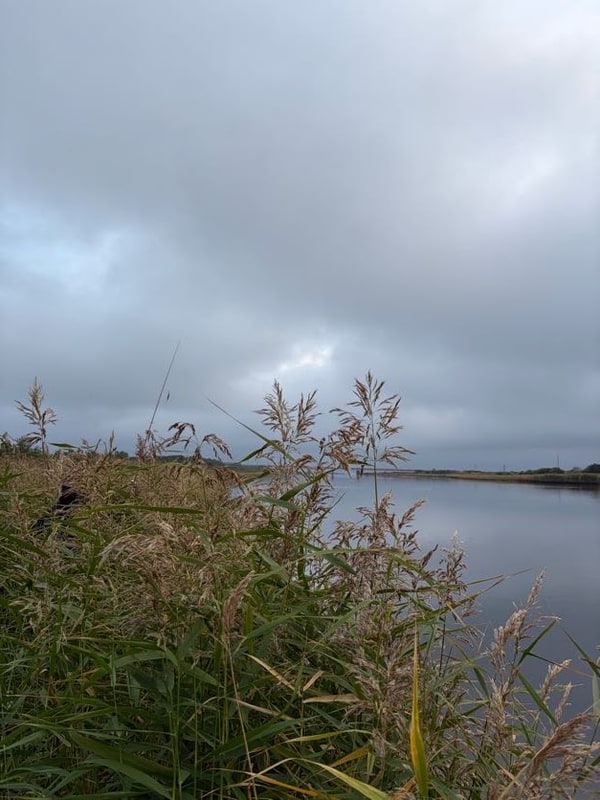
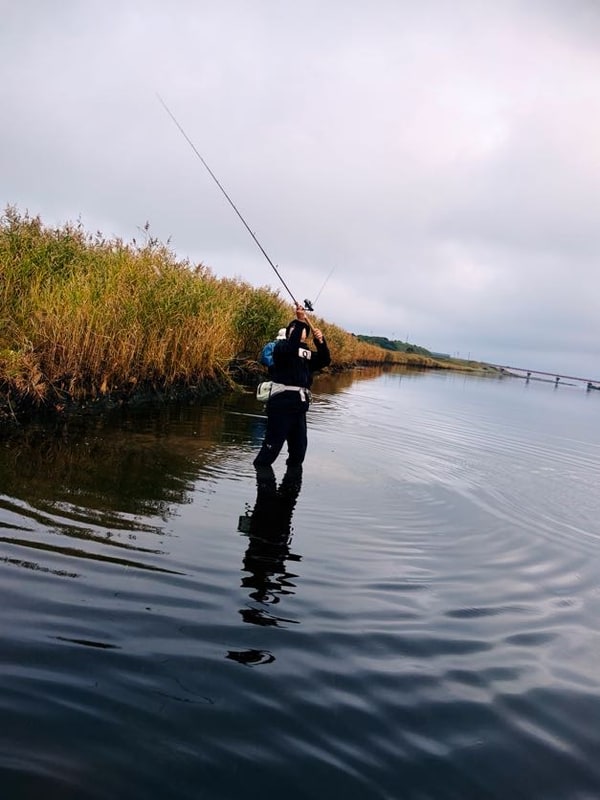
After a while the water turned to a mirror. No wind, and the cloud sitting on the surface just as it was. Mean humidity for the day was ninety eight, so that without any rain falling it was the air that was wet. Somebody went in at a gap in the reeds in waders and worked a rod. The figure in the reflection was the sharper of the two, and only the loop of thrown line disturbed the water.
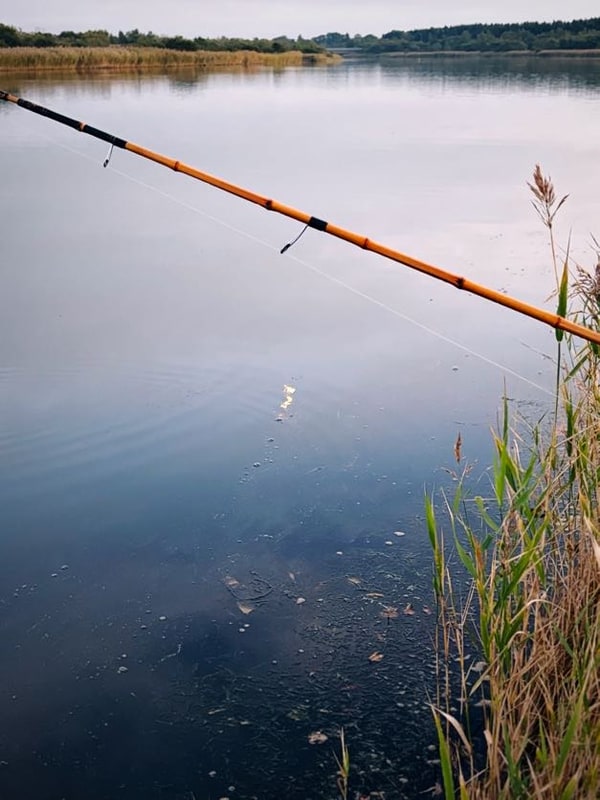
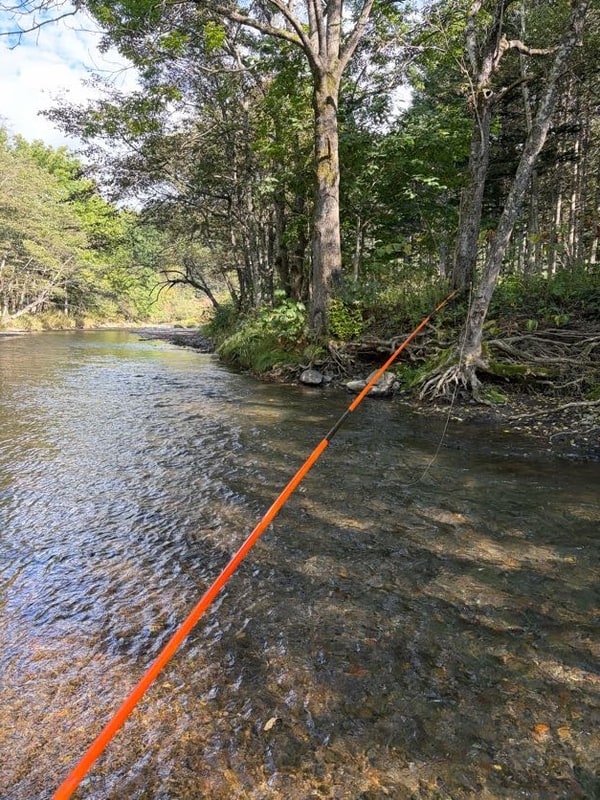
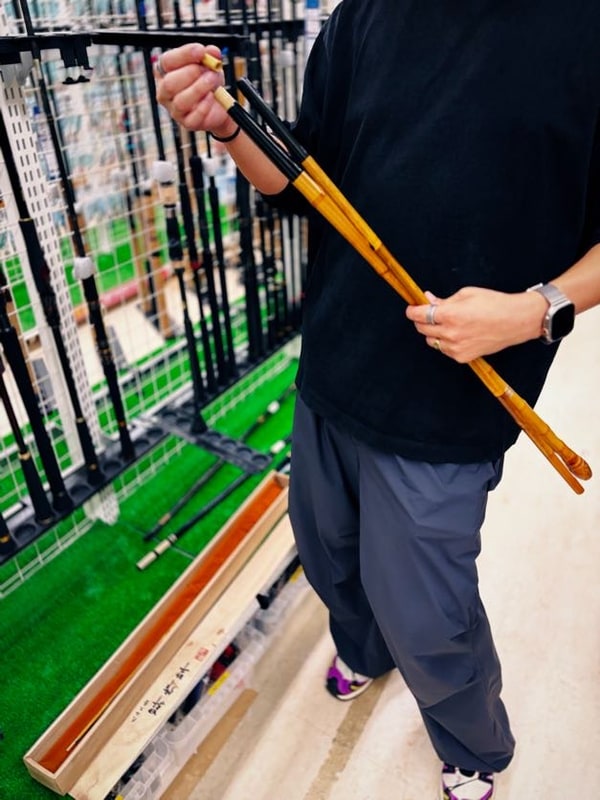
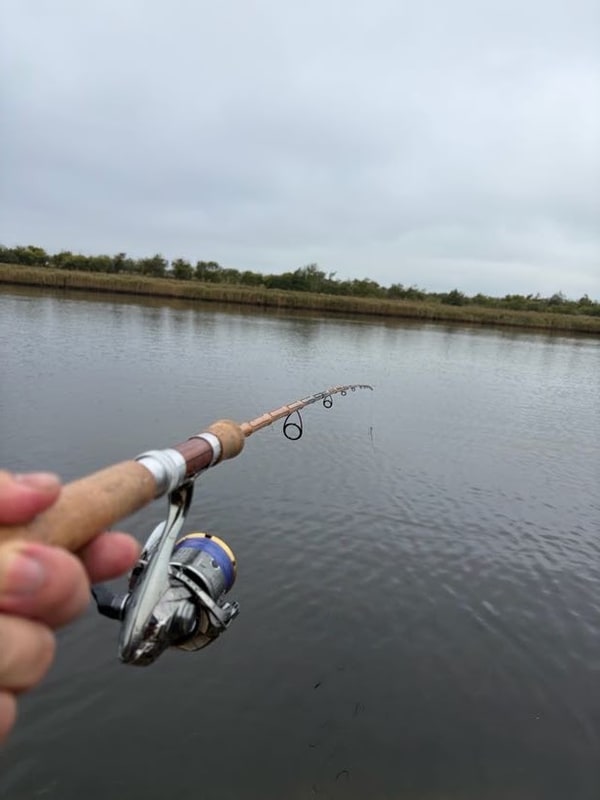
All three rods are bamboo. Laid out on the gravel, amber blanks with cork grips and small reels, and in the morning light you can count the nodes one by one. These are the rods that went up onto the roof at the edge of a residential block in Omiya. Two nights of driving, eight hours of being rolled about on a ship, and here. Nothing about the rods has changed. Only what is around them.
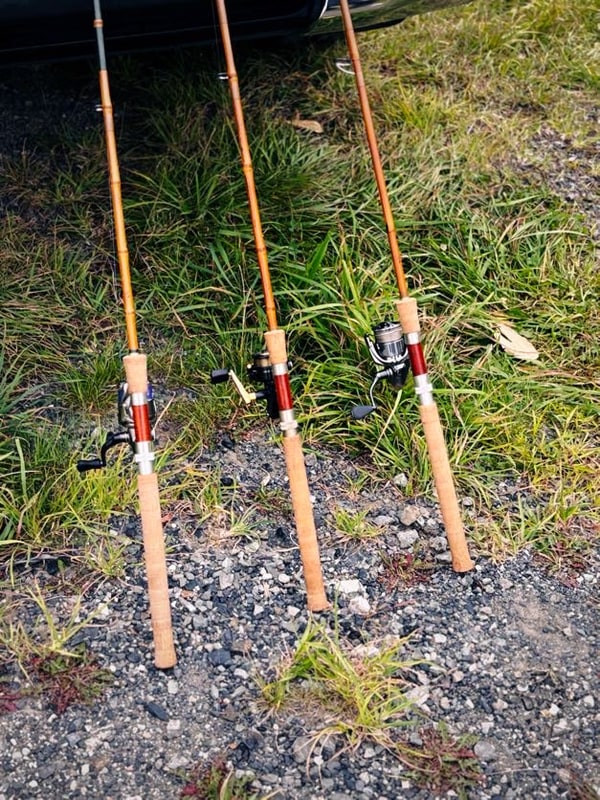
Ito was what we were after. It grows the largest of any freshwater fish in Japan, and is said to take fifteen years to pass a metre. For a short spell in spring it runs up the river to spawn, and when that is done it drops back to the estuary and the sea. In September the ito are not up but down. Where we were standing was down, thereabouts.
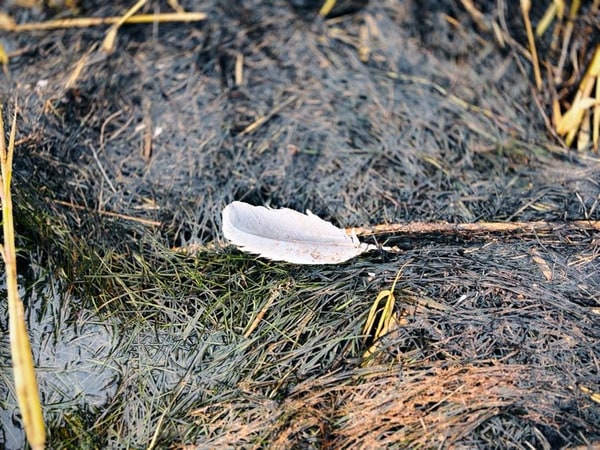
The sun came up and still nothing happened. We moved along the gravel and cast again. A single white fly lay on the dead grass, left behind by somebody who had changed one on and forgotten it. I picked it up and put it back in the truck bed. What survives the hours of not catching is the memory of trivial objects like that.
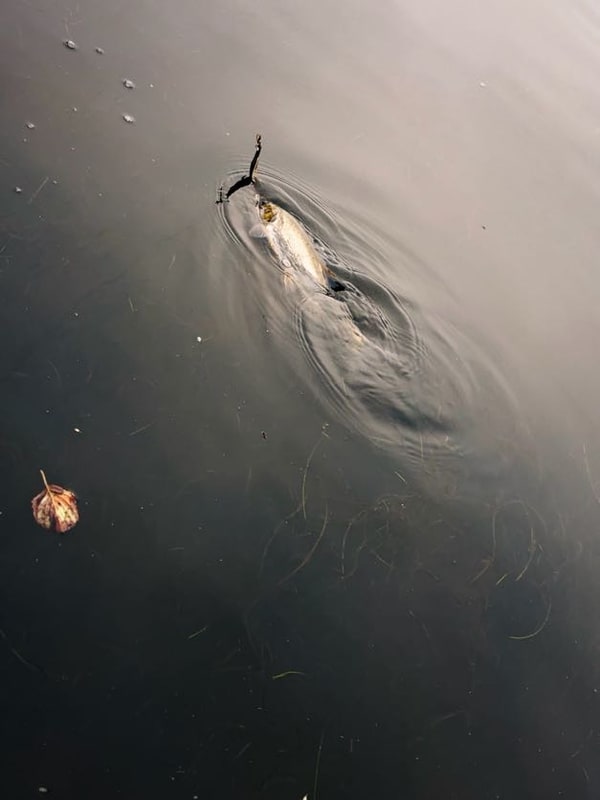
At eight forty seven the surface broke. The mirror rose in one place and a ring went out from it. Bamboo bent. All through the playing, the fish never once jumped; it came in as a shadow under brown water. A dead leaf floated just beside it, and because the leaf did not move you could tell that the fish did.
At eight fifty two it came into the net, a knotted net on a red frame. What came in was silver, with large scales, gold along the cheek and the gill cover. Big eyes. Small mouth, blunt snout. No spots. Not an ito. A dace. With the bamboo rod laid across the net, we looked at it for a while.
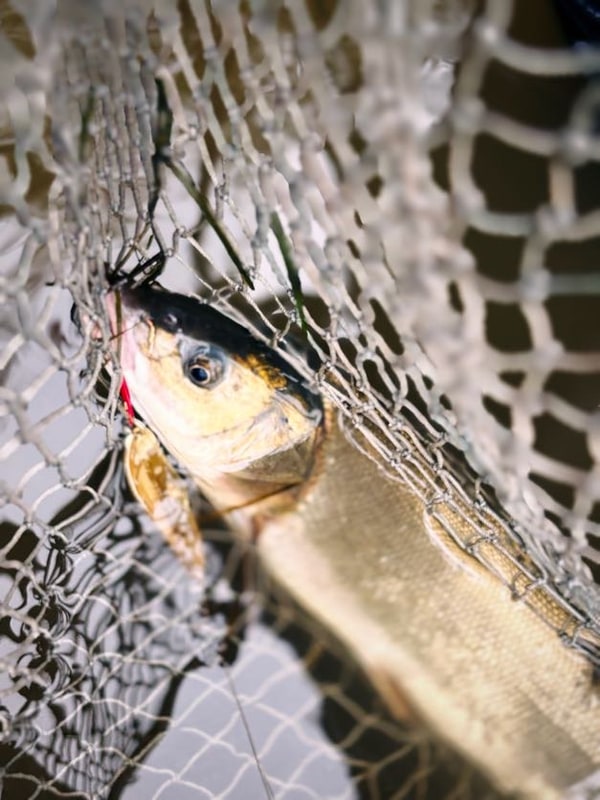
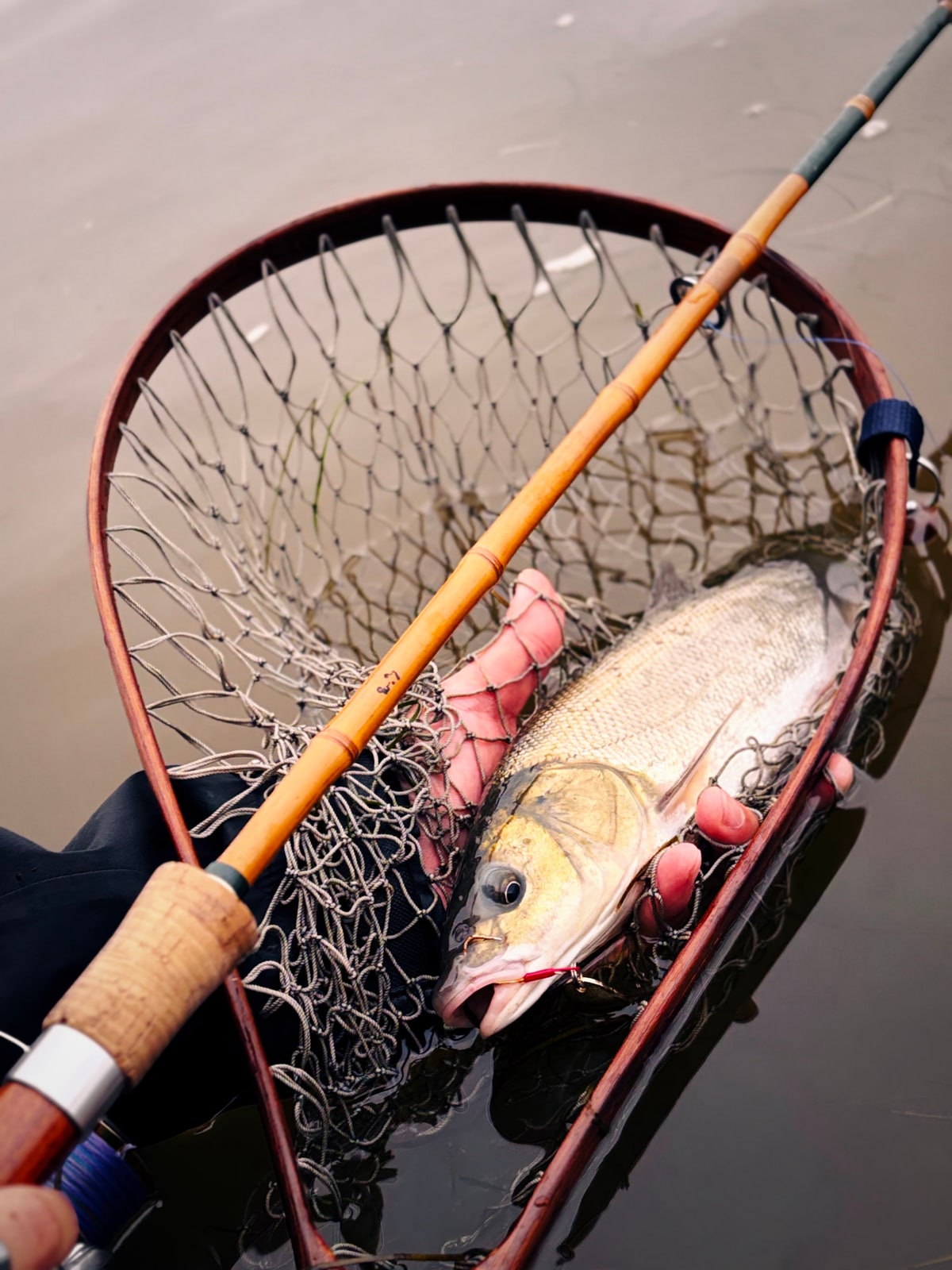
Dace are of the carp family, not even relatives of salmon. As a line of descent it is nothing like the fish we were after. They will live in water sharply acidic, though, and when acid water was channelled into Lake Tazawa and the kunimasu went extinct, what was left was dace. They hold from the headwaters to the estuary, and the further north you go the more of them drop to the sea. Which is to say that in this river they do what the ito does. One takes fifteen years to reach a metre and is protected by a rule with no penalty. The other is everywhere. It was the other that came. I tipped the net, it twisted once, and it was gone into the brown water.
After that nothing came. Long stretches of standing with the rod pointed at the water and a hand on the reel. Past nine the sun came through and I noticed yellow flowers out at the base of the reeds. They had not been there in the night. Not that they had not been there. I had not been able to see them.
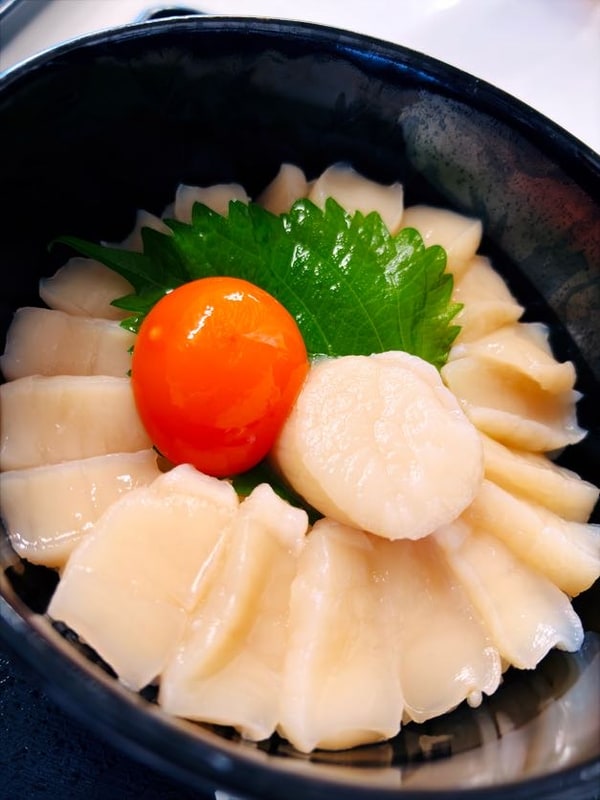
Lunch was scallop, at a village facility. A bowl with the adductors laid out on it and an egg yolk in the middle. This village once fished its scallop out entirely, and in 1964, the thirty ninth year of Showa, the stock failed completely. They have been getting it back by making their own rule not to take. Being a village that once went properly through what happens when you take all of it, they made a rule with no penalty for the river fish too, and they ask that it be kept. That the asking side carries weight is, I think, because of that. The scallop in the bowl is the scallop that came back. Because it came back, average earnings here are said to be among the highest in the country. A village that grew rich by deciding not to take is asking, through a rule with no penalty, that you not take.
Off this village, in December 1939, the fourteenth year of Showa, a Soviet ship ran aground. The Indigirka. She met a storm on the way from the port of Magadan to Vladivostok, mistook her position off Cape Soya, and went onto the reef out there. People from the village brought four hundred and twenty nine of them off. Even so, two hundred and ninety three bodies had been taken up on the shore by ten in the morning on the fourteenth of December, and the dead are thought to have numbered more than seven hundred. The exact figure was kept back to suit the Soviet side at the time. Some thirty years later a memorial was put up near the roadside station. Stone from Siberia was used in the base. Sent over from there, they say.
We did not go to see the memorial. Since we did not go, I will write no more about it. Only this: the shore we had been casting from since morning is that shore. In a village that got its fished-out scallop back by a rule of its own making, on the shore where more than seven hundred died offshore and the villagers brought four hundred and twenty nine of them in, we caught one dace and let it go.
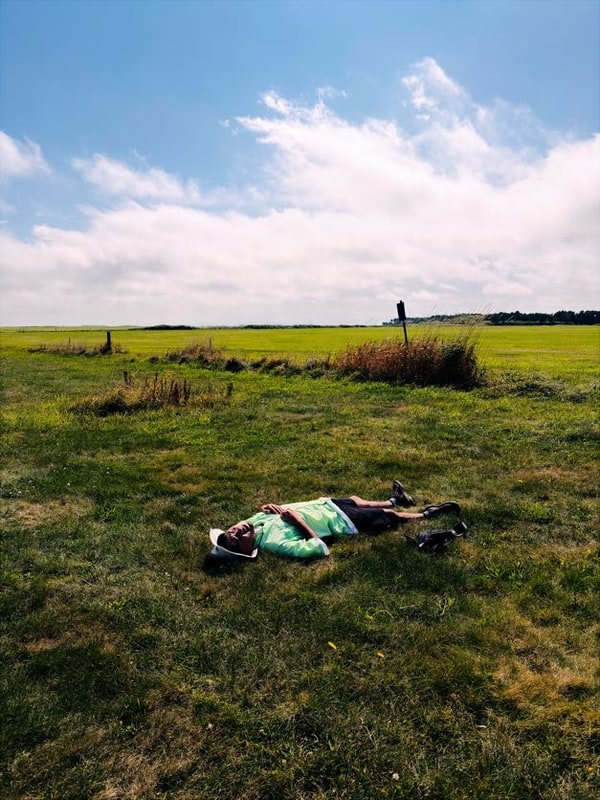
Early in the afternoon we stopped beside pasture. A wide field with round bales standing in it, the sky unreasonably large. One of them lay spreadeagled on the grass with something white over the face. Two nights with almost no sleep; it follows. I took my shoes off and put my bare feet out into the grass and watched the cloud pass over the sleeping.
Past noon we went back to the river. The afternoon water was greenish, running in a thin curve between the reeds. What took the lure was a bottom fish with a flat head and big pectoral fins, small enough to sit in the palm, with a pink and pale blue spoon in its mouth. Tackle rigged for a metre, and this arrives on it. Working the hook free, there was nothing to be done except laugh.
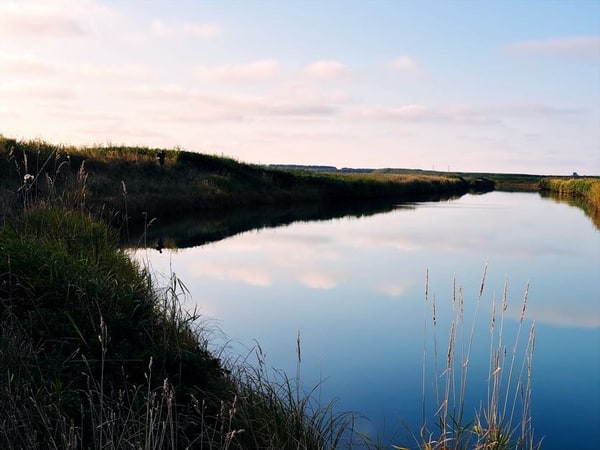
Later the sky cleared and the water went blue. The morning mirror had been grey; the evening mirror is blue. Along the edge of the reeds a rod stayed held out at the water and nobody spoke. The line did not move.
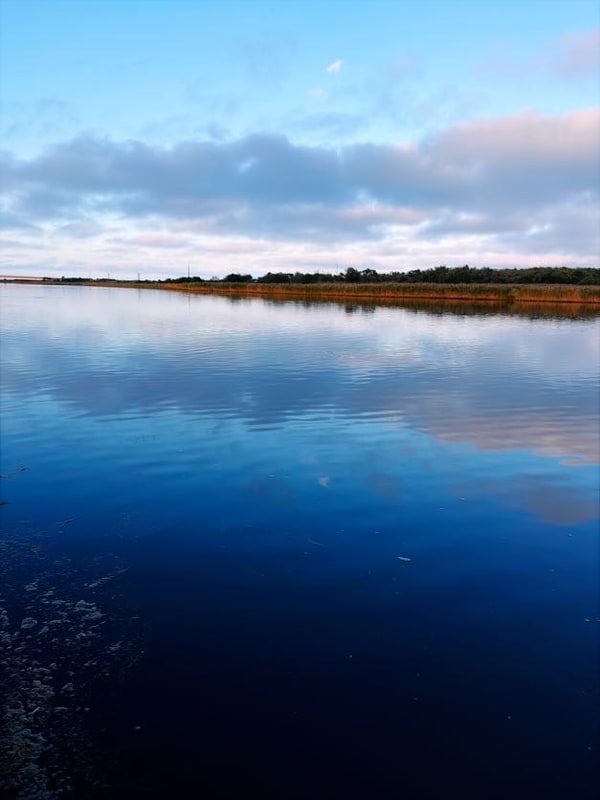
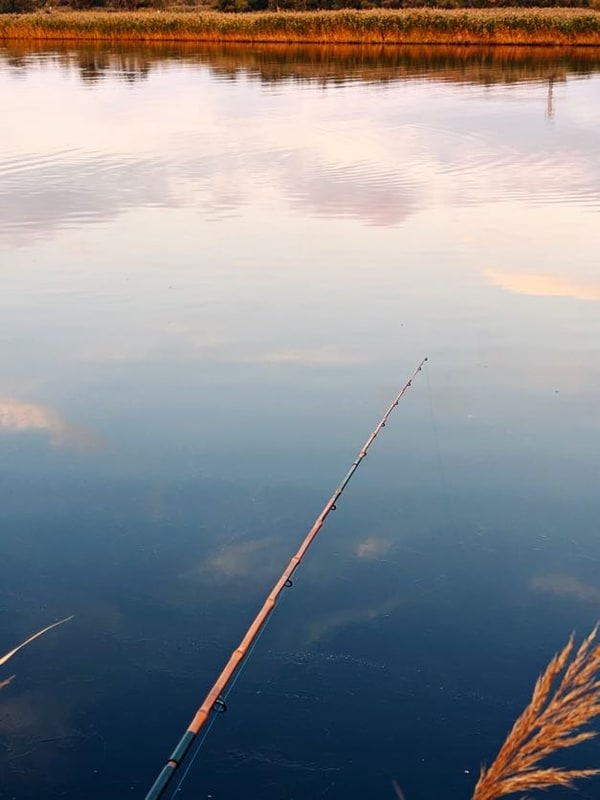
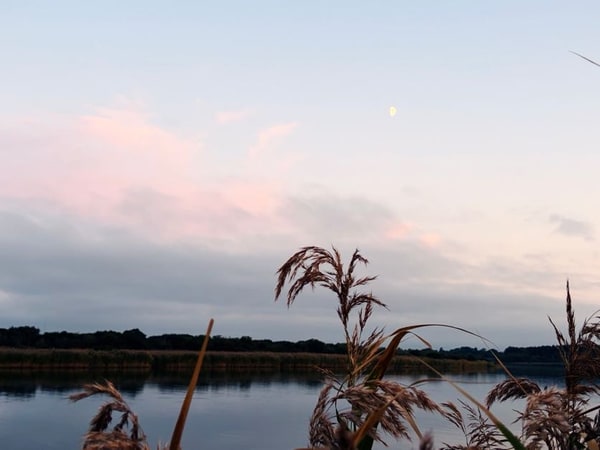
The sun went down a little after five. Reed heads standing against a pink sky, and above them a half moon already out ahead of the dark. The water holds all of it. One bamboo rod was left over the water, on the slant. We never once saw an ito. To come for a fish you do not see, to wait three hours for a fish you do not see, and to go home having released a different one. The name of this place is the mouth of the reed plain, and a mouth is also the place where things leave.