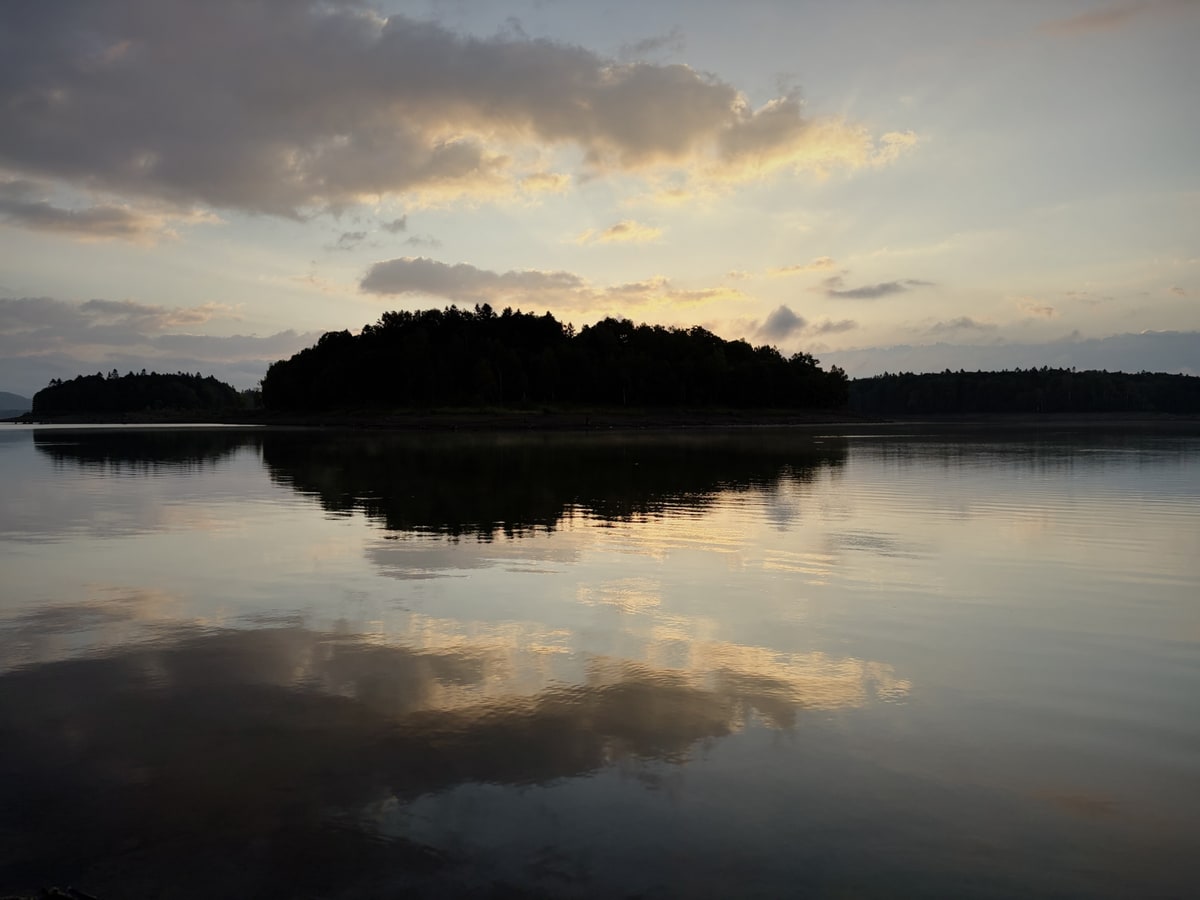
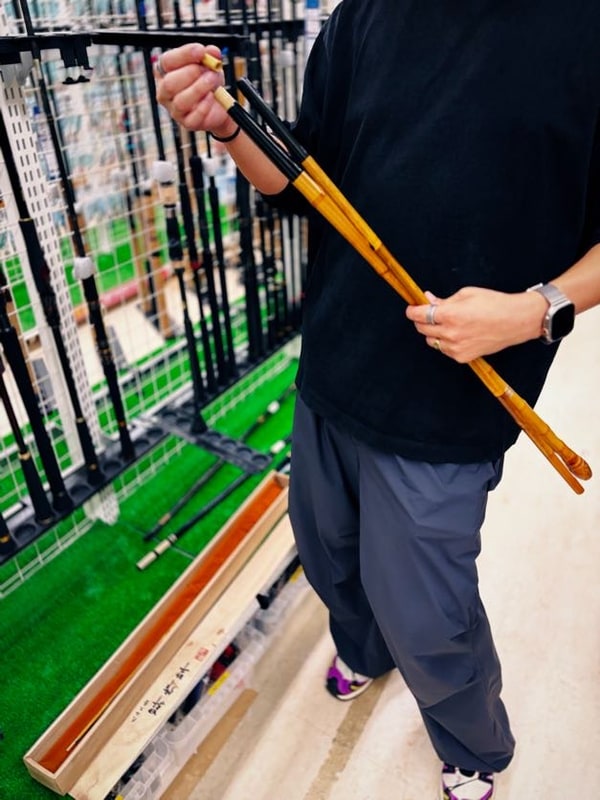
After the sun went down at Sarufutsu the car moved again. Down the Okhotsk coast to the south, and a room taken at Monbetsu. It was past half eleven when we arrived. Baggage went along the corridor, a room door opened, and the day should have ended there, except that one of them sat down on the bed and began opening a tackle box.
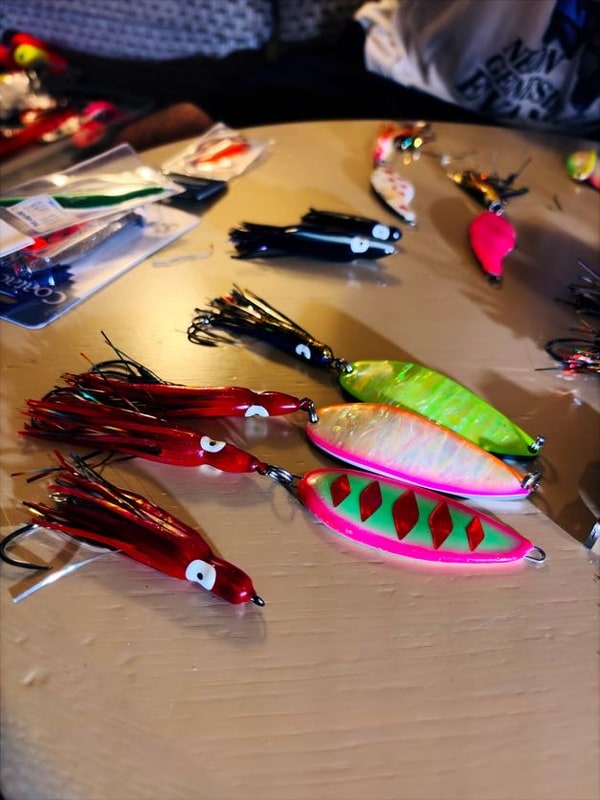
Spoons go out along the desk. Pink, green, gold. Each one laid down facing the same way, looked at for a while, then rearranged. Where we go tomorrow has not been decided, and yet the tackle is being decided first. It is one in the morning. I sat alongside and watched without helping with any of it.
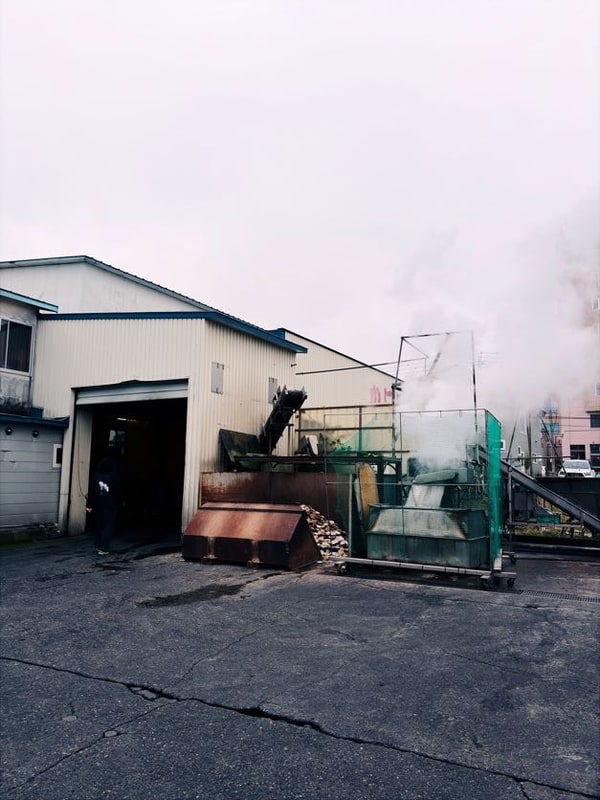
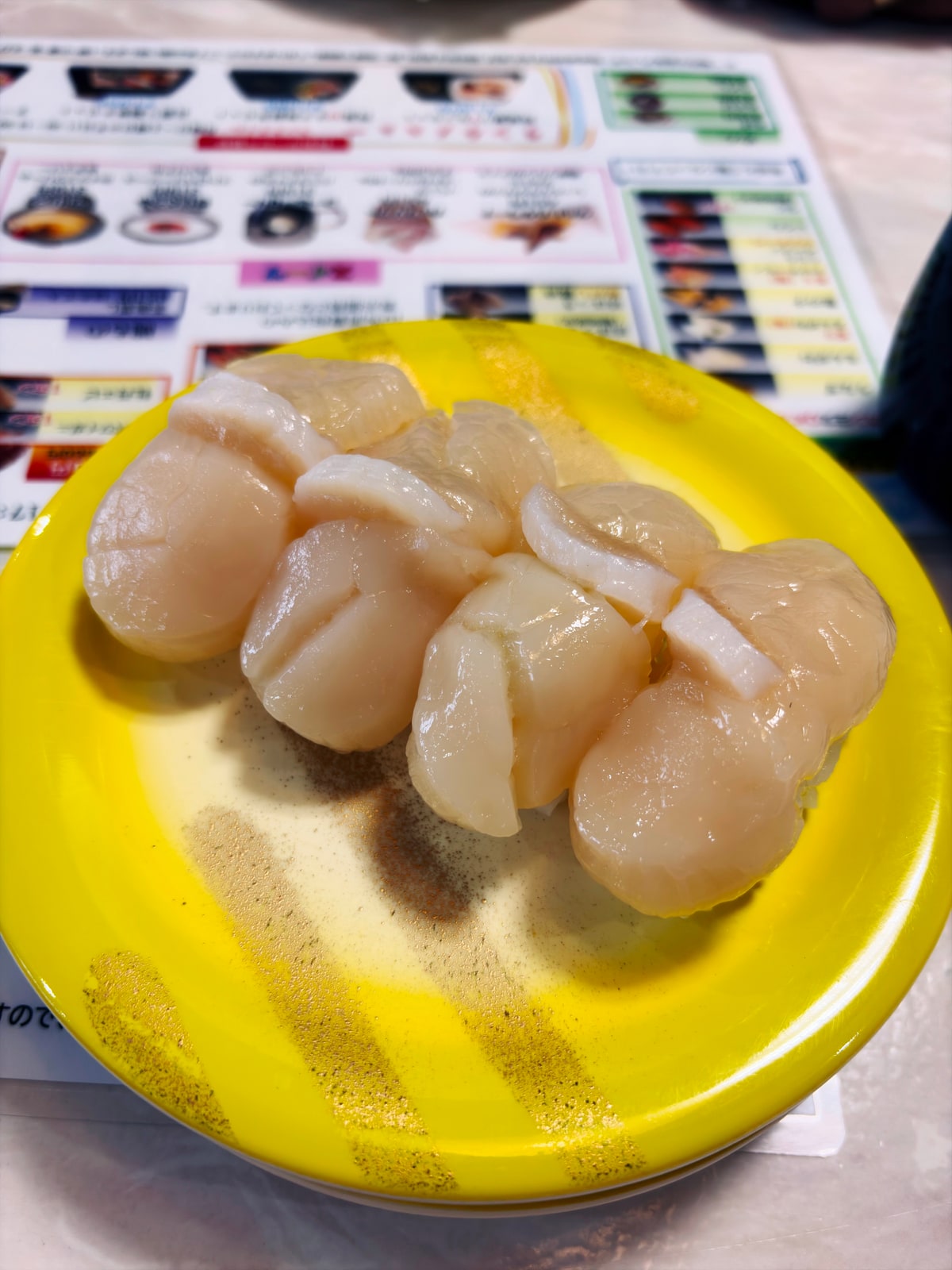
In the morning we could not get up. The reason all those spoons had been laid out the night before was that the plan was to be out on the sea at first light for autumn salmon. The preparation for it was still sitting on the desk. We got outside at half past ten, under a low sky. Being near the sea means a grey of this kind. Steam was going straight up off a factory chimney, which tells you there is no wind. Lunch was a conveyor sushi place. Scallop. It was scallop yesterday as well. As long as we keep driving along the Okhotsk, it will probably be scallop tomorrow.
Past midday the car turned inland, and within twenty minutes the sky broke open. The cloud lifted, blue came through, and with a window down the air was dry. By the figures I looked at later, the high for the day was twenty degrees in the town by the water and twenty six point six in the town up in the hills. Six and a half degrees, on the same day. That is how hard the sea holds down the strip in front of it.
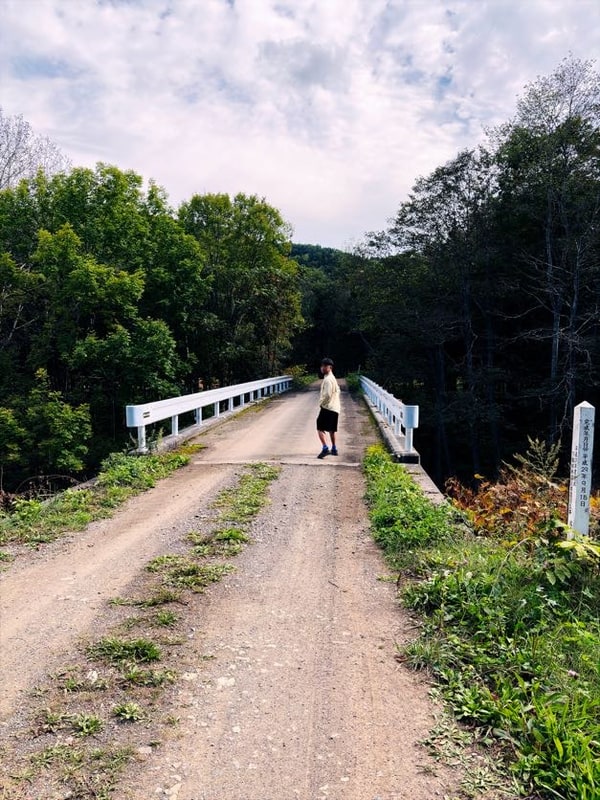
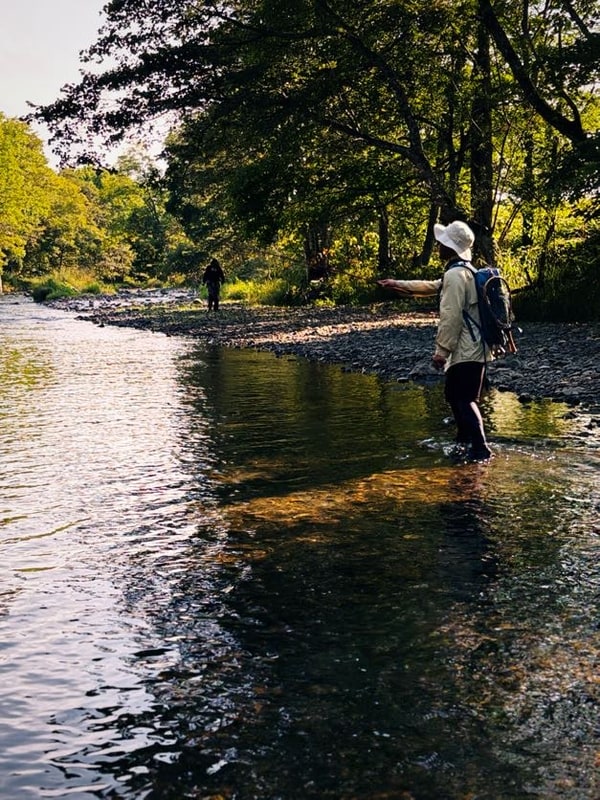
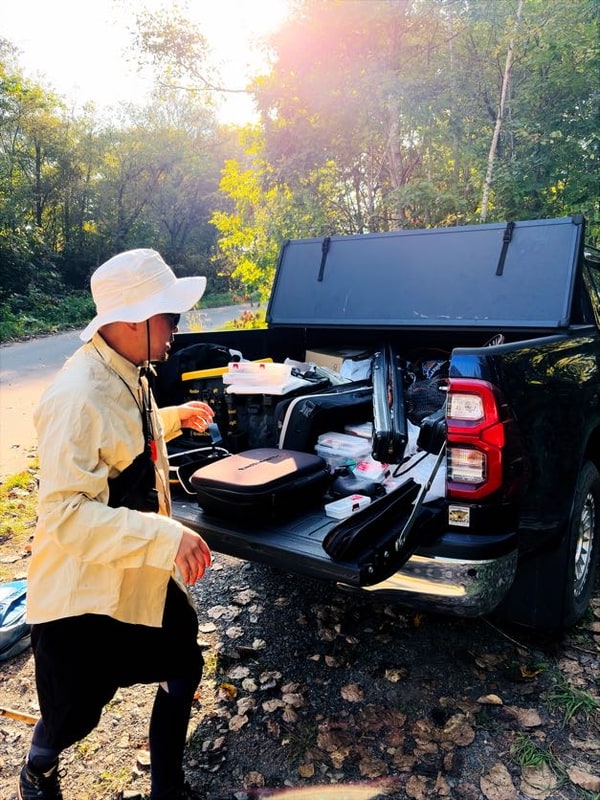
At a town called Takinoue we went down a gravel track toward the river. One white bridge crossed it, and somebody was walking over the bridge. The truck bed is opened and we get ready. Boots on, vest on, hat on. Once that sequence starts, nobody talks any more.
This town was a mint town to begin with. Cultivation started around 1910, the forty-third year of Meiji, and by the end of 1936, the eleventh year of Showa, the planted area was one thousand one hundred and twenty four hectares, the widest of any field crop here. Something like ten hectares are left now. Even so, since no other district grows it, ninety five per cent of the mint harvested in the country is from here. One thousand one hundred and twenty four became ten, and that is how it came first. There is a way of winning in this country that consists of shrinking into first place.
There was a railway here too. The Shokotsu line: thirty four point three kilometres from Shokotsu up to Kitami-Takinoue, opened in 1923, the twelfth year of Taisho. A forest railway joined it and carried timber out. It was closed in March 1985, the sixtieth year of Showa. Sarufutsu yesterday had its line as well, and that one was folded up in 1989, the first year of Heisei. Beside every water we have put a rod into on this trip, a folded railway is lying.
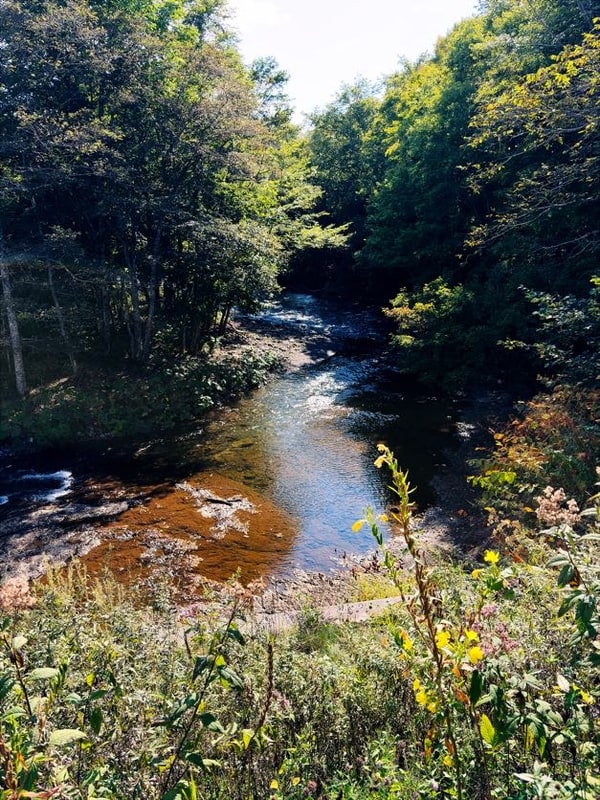
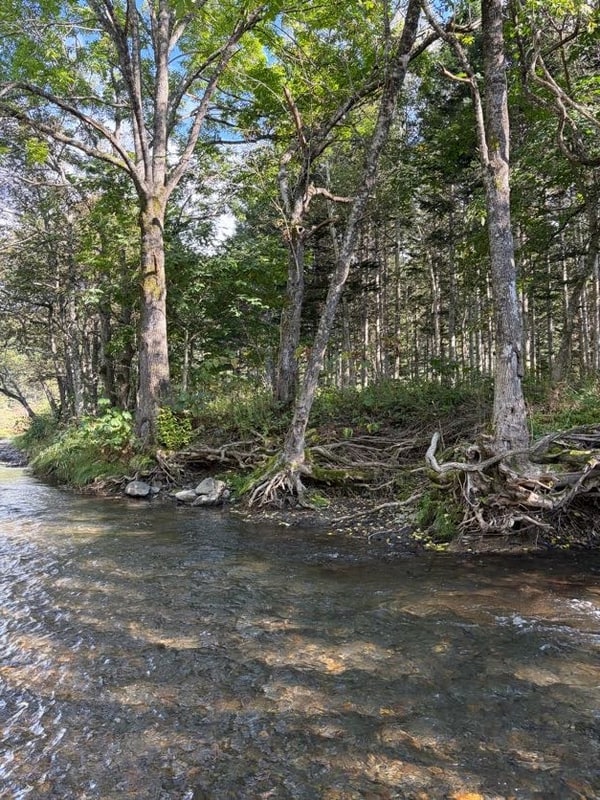
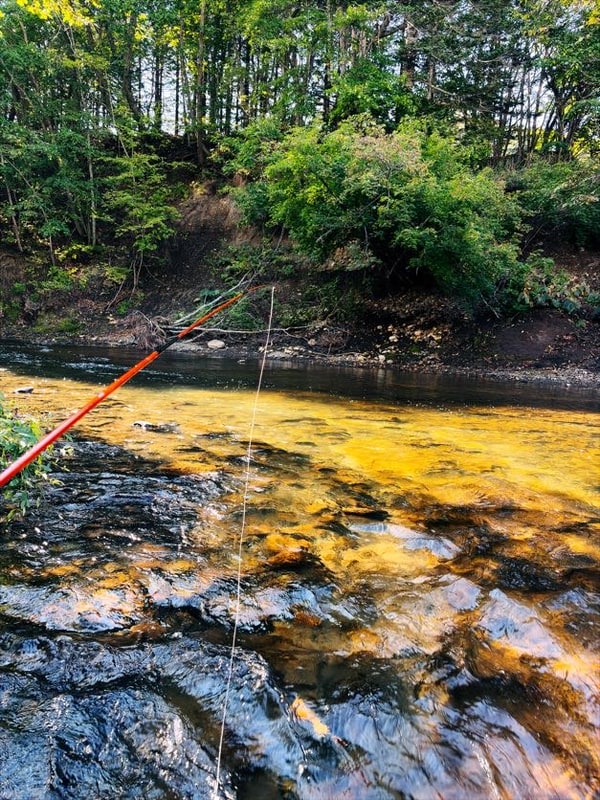
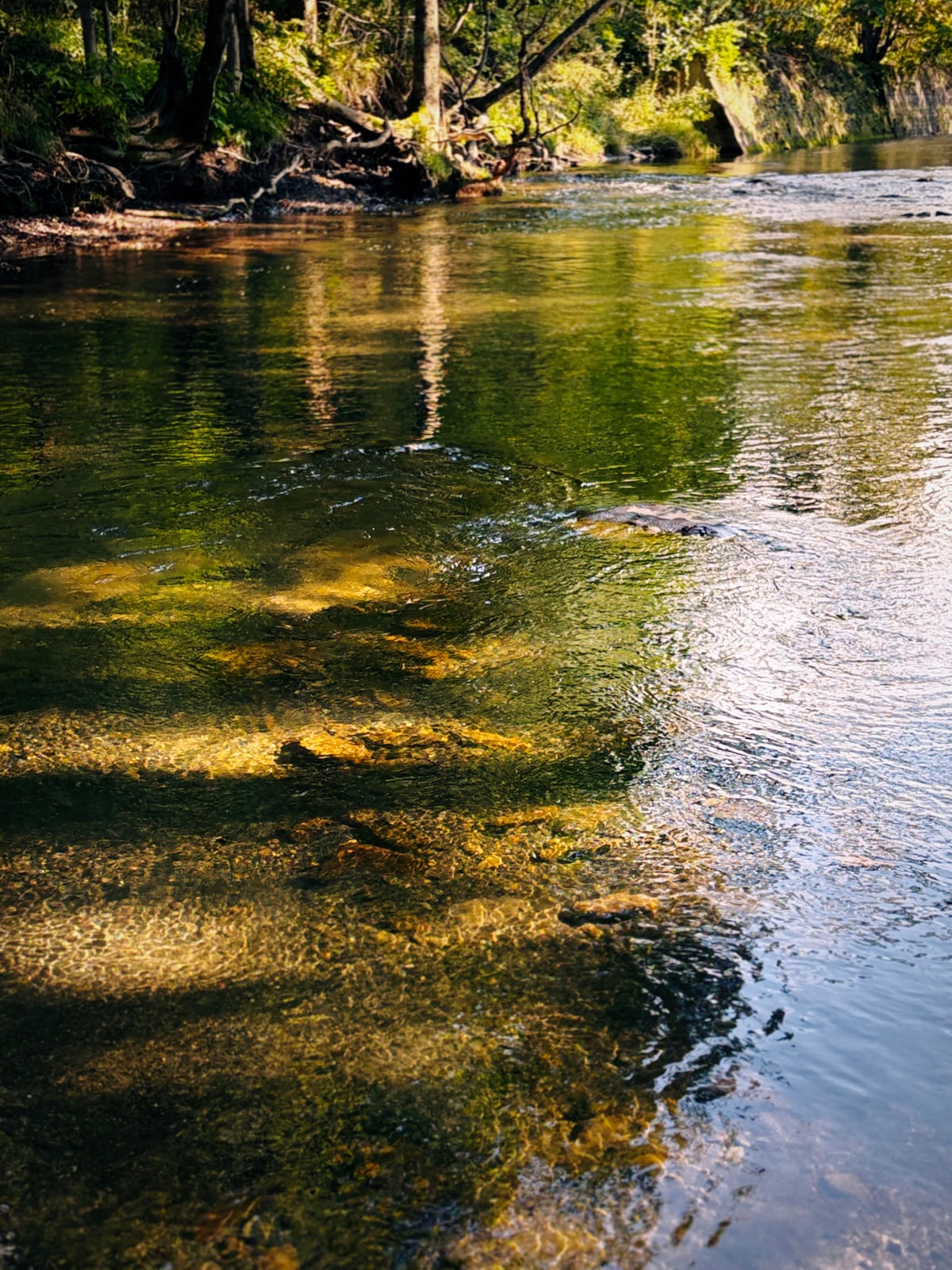
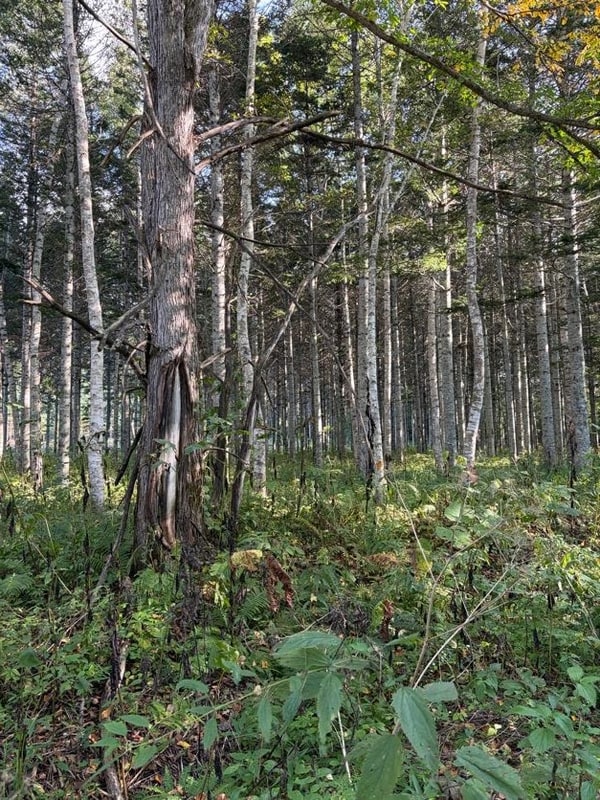
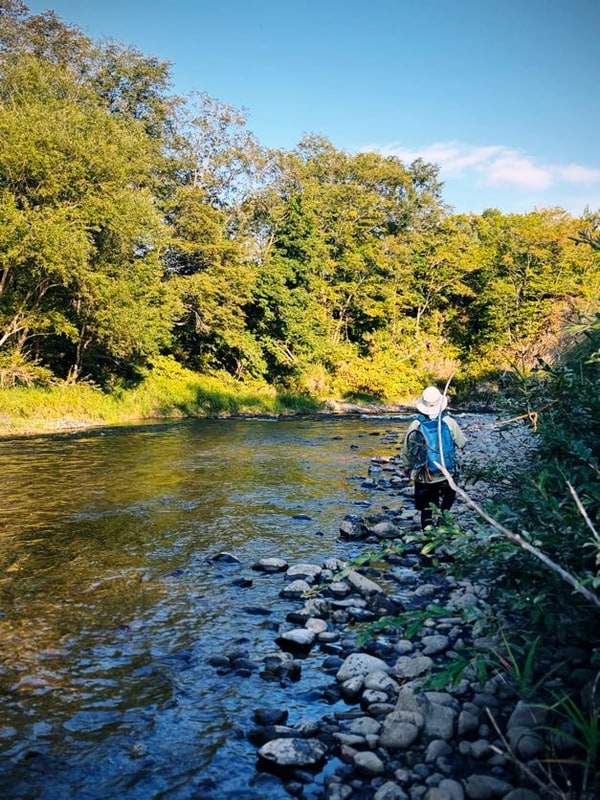
The river was shallow. Clear enough to count the gravel on the bottom from above, with riffle and pool alternating in short stretches. On the far bank the roots of big trees had been washed bare and it was dark underneath them. When the sun comes down from overhead, the shadows of the trees move about on the bed. Wading, it comes no higher than the knee.
Here the flies came out. The box that was loaded into the truck bed at the edge of a residential block in Omiya. The box that had one red, one amber and one green in it, with the single word for flies on a strip of yellow tape, finally opened on the fourth day. Not on a bamboo rod but on the black one with guides.
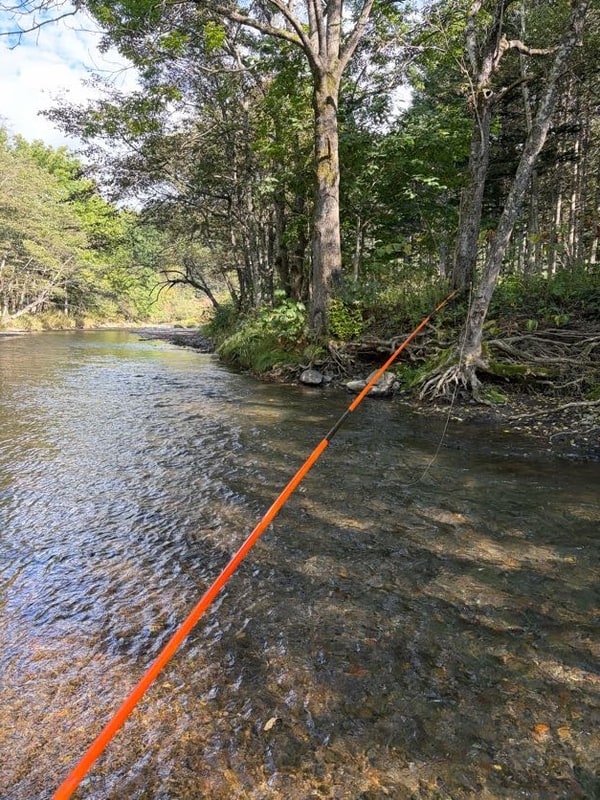
Horsehair went out across the water. Line twisted from the hair of a horse's tail. A single strand is thin and unreliable; bundled and twisted together, the strands take on weight, and strength, and give. It is twisted to taper towards the tip, and it is that weight which carries a fly that weighs nothing.
Until nylon came along this was the main line in fly fishing. Almost nobody twists it now. It is the same as the mint going from one thousand one hundred and twenty four to ten: how much is left, and what it means that any is left, have to be counted separately.
It draws a loop in the air, reaches forward, and lands on the surface. From where it lands a thin tippet runs on, and at the end of that there ought to be a fly, but that far is not visible. It is a way of fishing that consists of waiting for something to happen where you cannot see it. The contents of the box that finally opened on the fourth day are out there now, running on past the point where the eye stops.
This river has an ordinance. It is the Shokotsu, eighty four kilometres long, gathering its tributaries through Takinoue and emptying into the Sea of Okhotsk at Monbetsu. In fiscal 2009, the twenty first year of Heisei, this town enacted a catch and release ordinance for the protection of the river's fish. The first ordinance in the country telling you to let them go.
The contents are detailed as well. The stretch is some thirty kilometres from the Kaimei bridge to the Takinishi weir, and fish caught there are released at once. One rod per person. Hooks limited entirely to single hooks. From below the falls up to the bridge is a lure and fly only reach. The season runs from the first of May to the thirtieth of November. Having settled all that, the ordinance carries no penalty.
I think back to yesterday's river. Sarufutsu set out to make a protective ordinance for the ito, found the penalties difficult, and holds the line instead by voluntary restraint with nothing behind it. This town went as far as the first ordinance in the country, and then left the penalties out. Not managing to make one, and making one and leaving the penalties out, are quite different things. Different, and yet the shape they arrive at is the same. In the end you ask. Two towns have confirmed by two separate routes that there is nothing else.
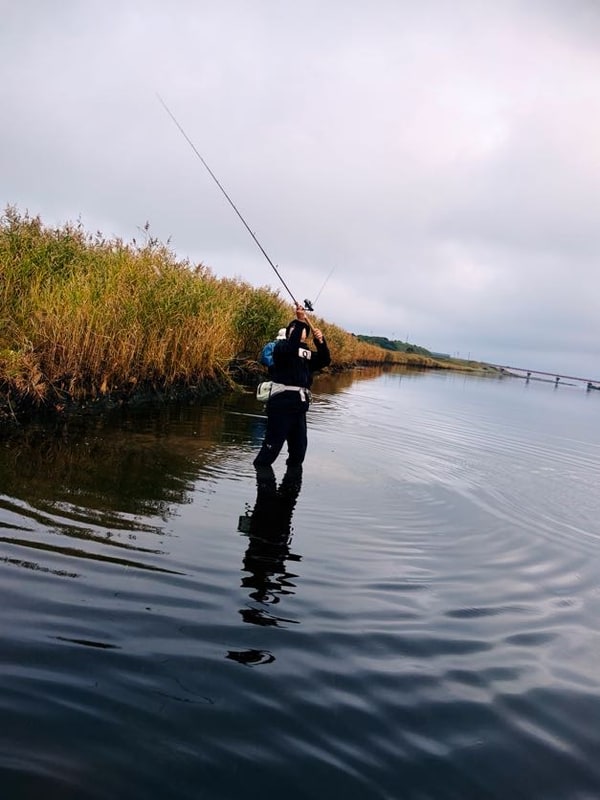
We did not catch. Two hours or so of standing, and not one thing came. An orange line dropping to the same place again and again and drifting off the same way. On a river with an ordinance telling you to let them go, not one fish comes up to be let go. Does this count as cooperating with the ordinance.
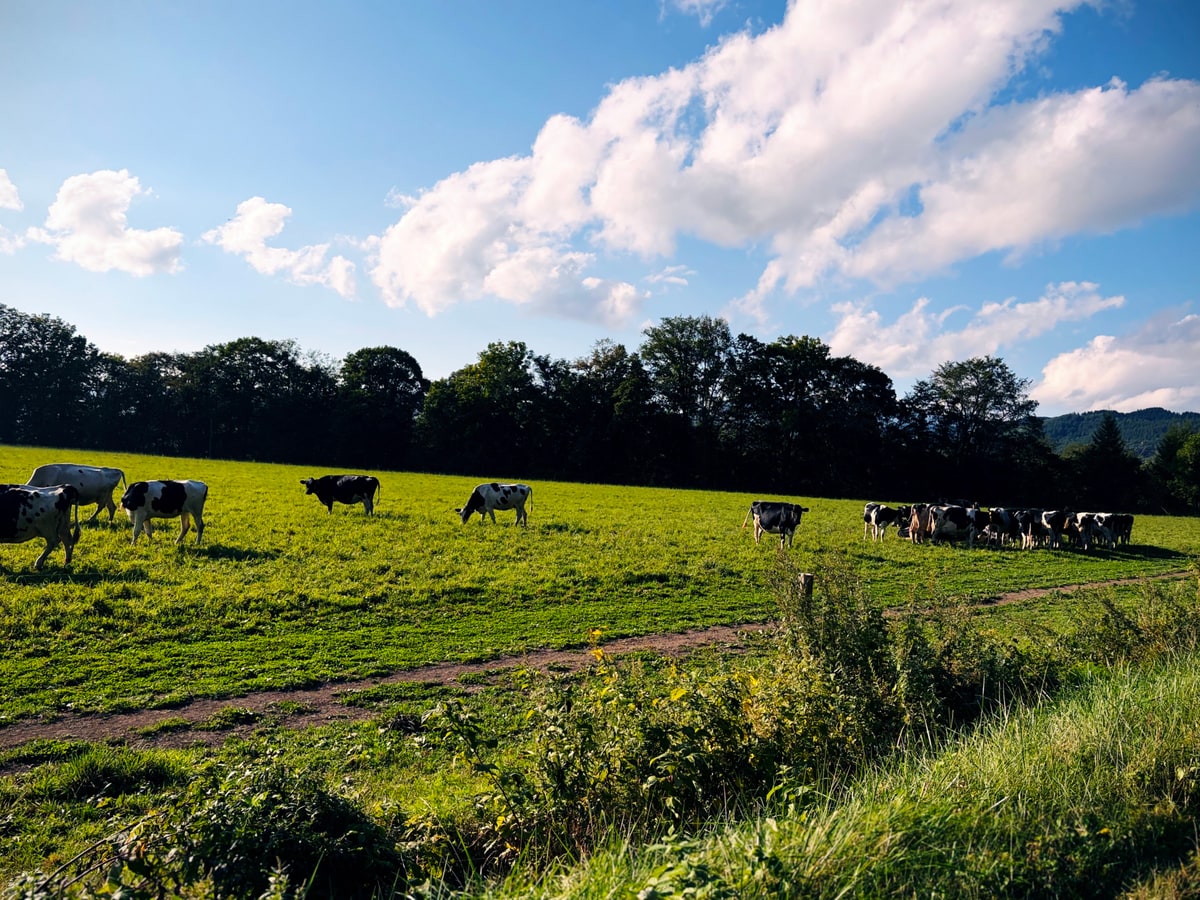
We came out of the water once and drove up a slope. Pasture opened out, with black and white cattle standing in a row, heads down. The clouds were large and their shadows moved across the ground. Pasture in Hokkaido is not a case of the sky being wide; it is only that with nothing in the way, all of the sky is visible. But once it is visible, that amounts to the same thing as wide.
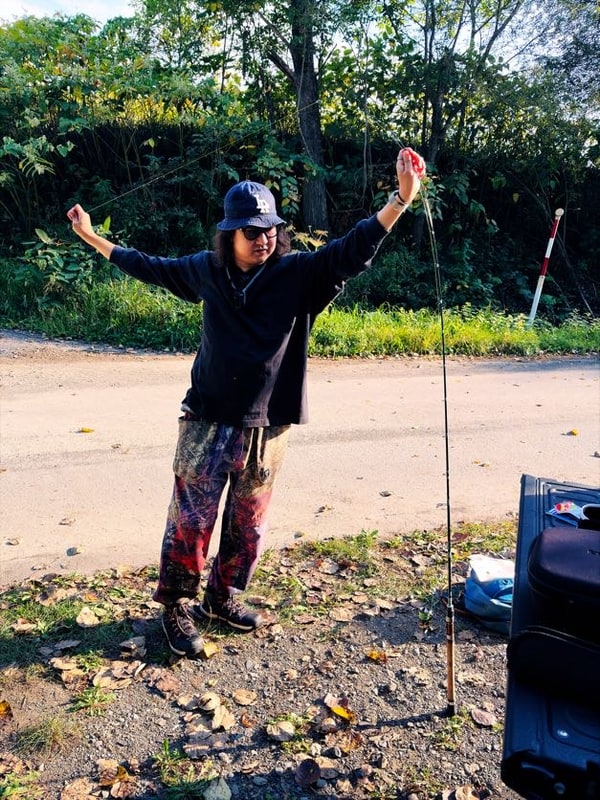
Over by the truck bed one of them had a length of line drawn taut between both hands, arms stretched out as far as they would go, working a tangle out of it. Standing at the roadside in that posture, it also looks like showing the size of the one that got away, except that nothing had been caught, so there is no fish to show. They held that posture until it came free.
In the evening we went into the river once more. The sun had dropped and the colour of the water leaned toward gold. Only one of them stood out there, casting on the same rhythm. In time the sun came round behind the trees and the water went dark. We ended it there.
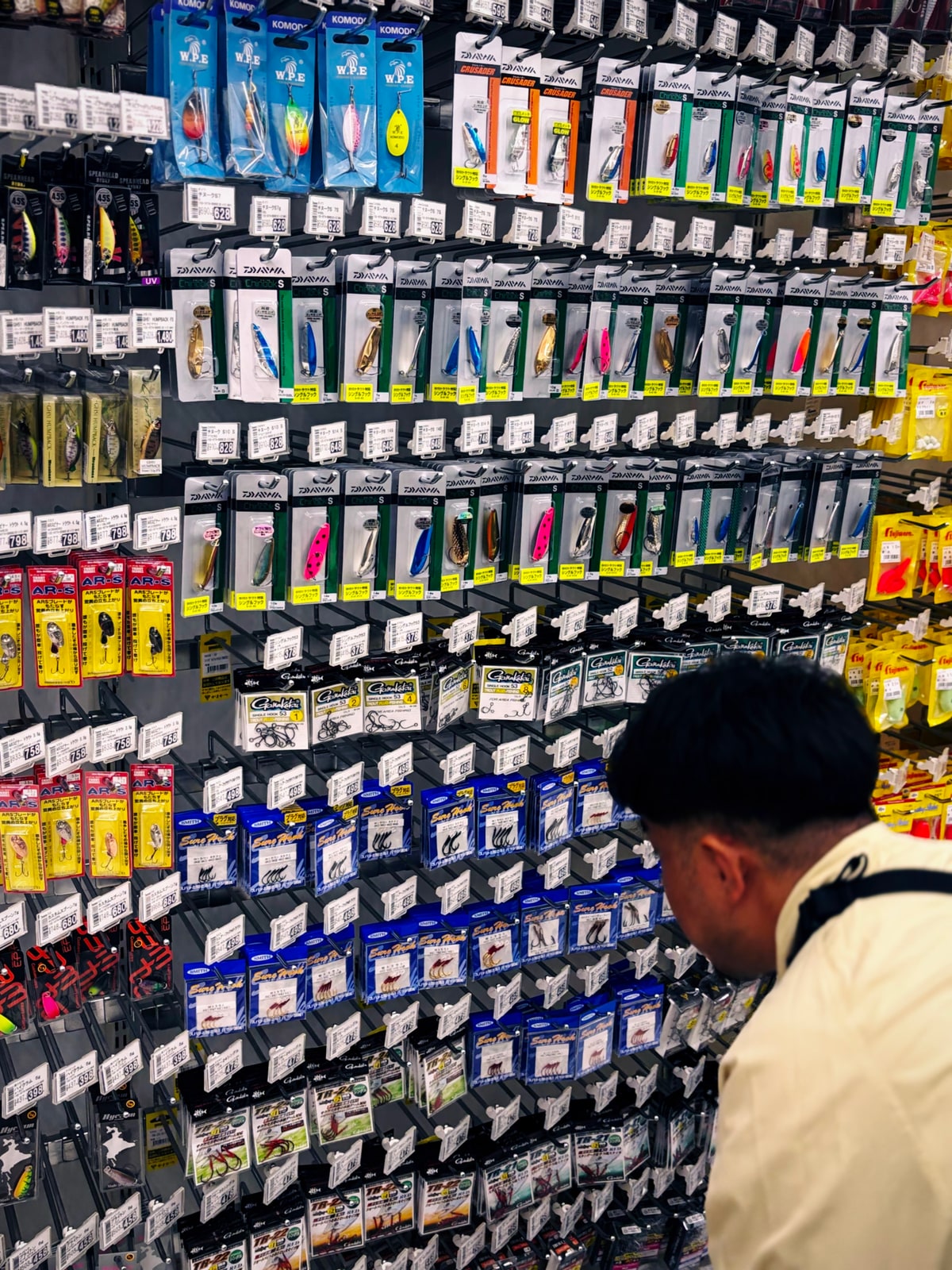
On the way back we stopped at tackle shops. A whole wall of lures. One in Monbetsu, another in Nayoro. In front of much the same wall we looked it over top to bottom in much the same way. All the while we stood there saying neither that we would buy nor that we would not, nobody once mentioned that we had not caught anything today.
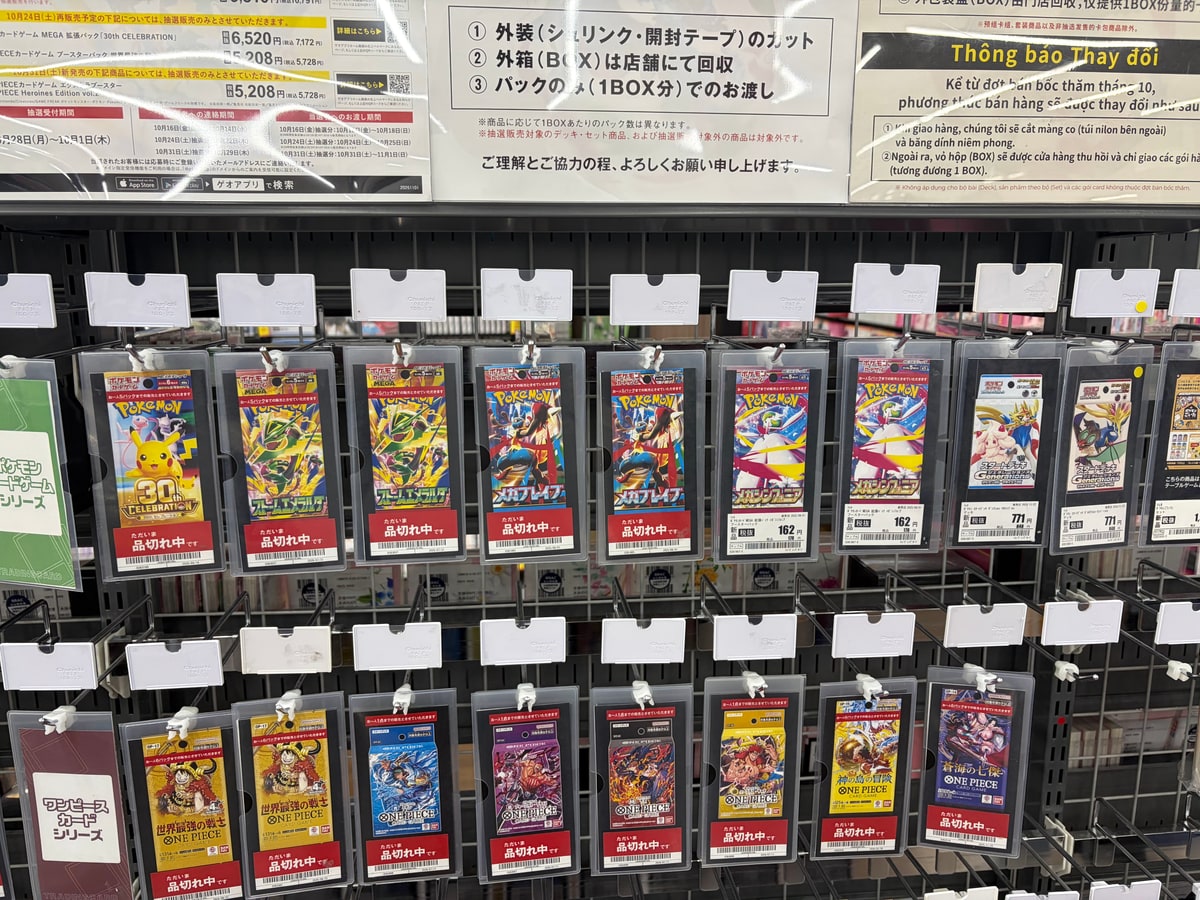
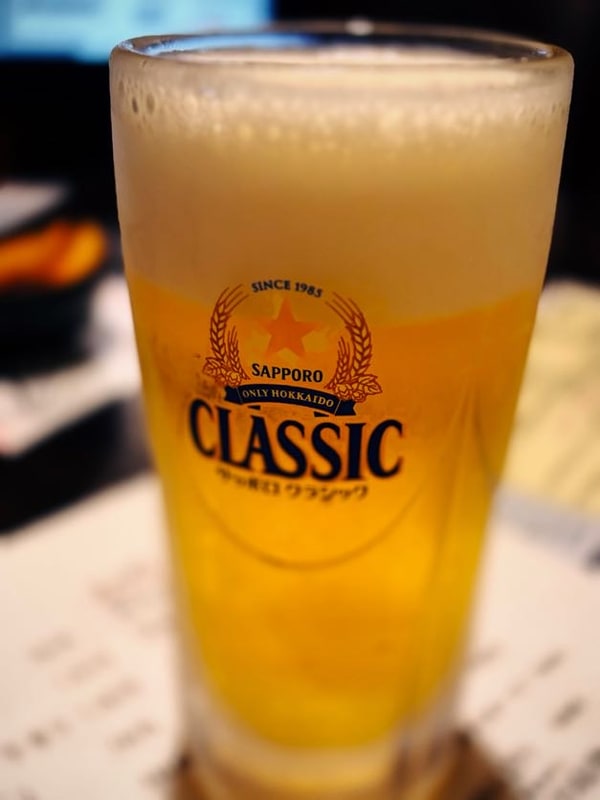
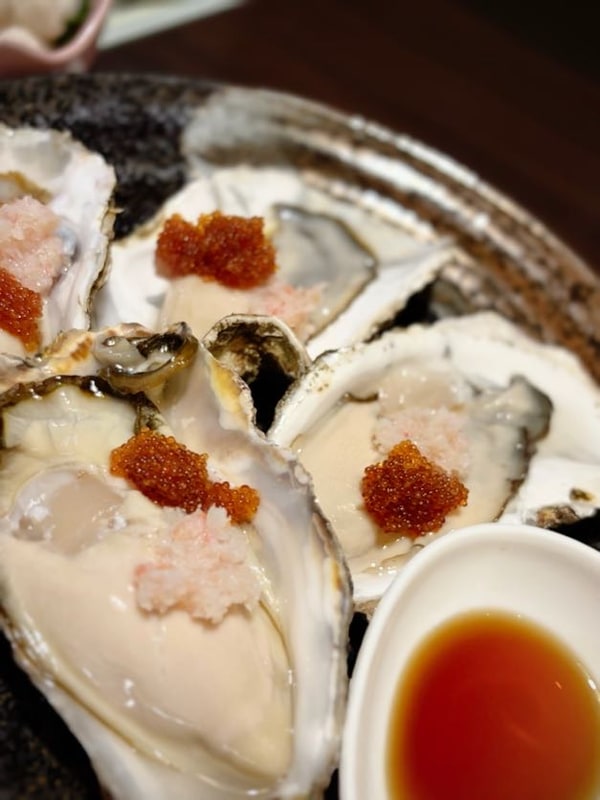
We reached Nayoro a little after seven. A room had been found, so we drove that far. Baggage into the room, and the evening became a hot pot and oysters and the local beer in a green can. Tomorrow, apparently, further inland. Chasing the dream of the far north, was the way they put it. What the dream is, I have again not been told. Four days in, and I have still been told nothing.