There is a set of people I have gone out to the islands with for years, and every year we pick one. This year it came out as Miyake. Nobody says why Miyake. We are talking about the island we went to last year, someone says well then how about over there, and it is settled. As a reason it is thin. Thin as it was, I bought the ticket.
This year one young man joined us. Something or other had made him curious about our sort of foolishness, and it turned into come along then. When I heard he was bringing a rod I was mildly surprised. Asked about it, he said he had never fished, not once. A man who has never fished, spending his first day of it on a breakwater in the Izu Islands. I did not stop him. I could not think of a reason to, and if a thing is done out of whimsy there is no helping it.
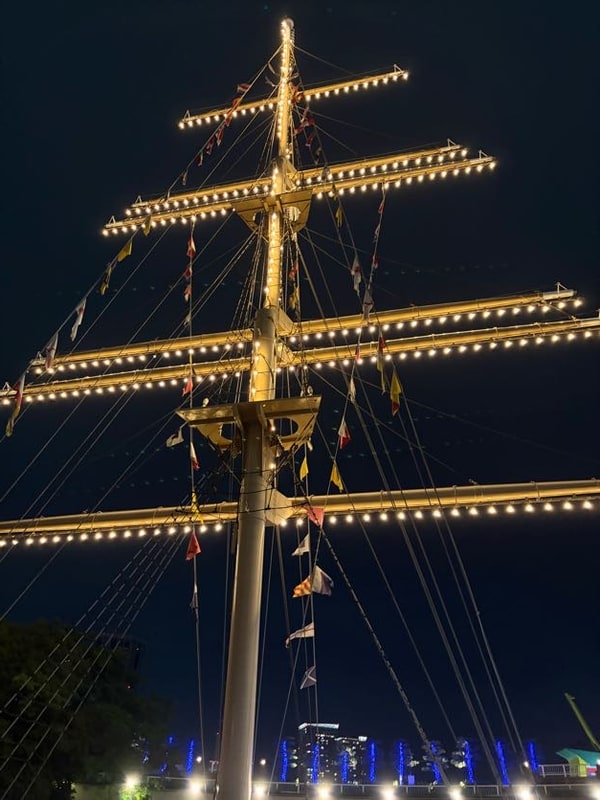
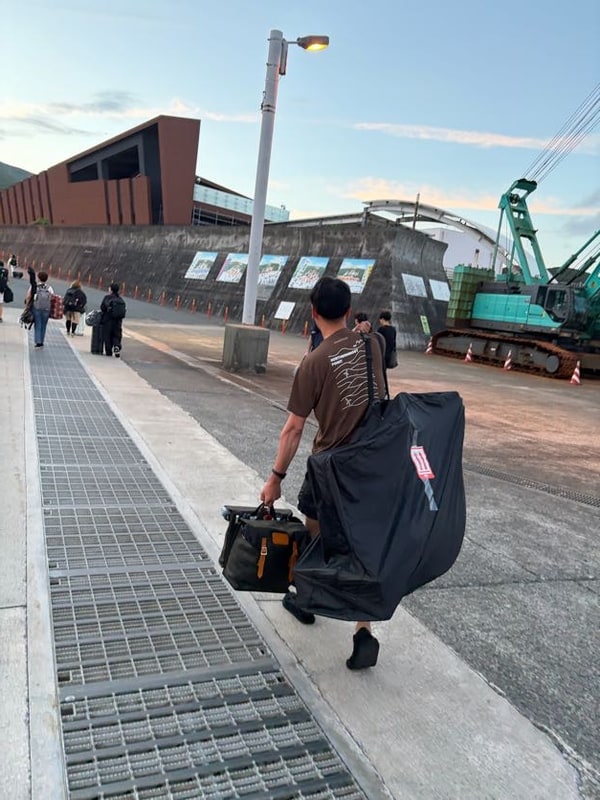
We took the ship that leaves Takeshiba at half past ten at night. Before I could settle whether I had slept in the cabin or not the motion changed, and we were disgorged onto the pier while the night was still unfinished. We stood on the island with the faces of people not yet awake. The rooms at the inn were not free until noon, so we left our bags and went out.
What one goes to see on this island is more or less decided before arriving. It is the marks left by the eruptions. Miyakejima has erupted four times in recent memory, and the marks are not hidden. Not buried, not fenced off, simply left at the side of the road. In the eruption of 2000 the summit dropped, opening a hole a kilometre and a half across and four hundred and fifty metres deep. From September the volcano put out tens of thousands of tonnes of gas a day, and four thousand people left the island. They were able to come back four and a half years later.
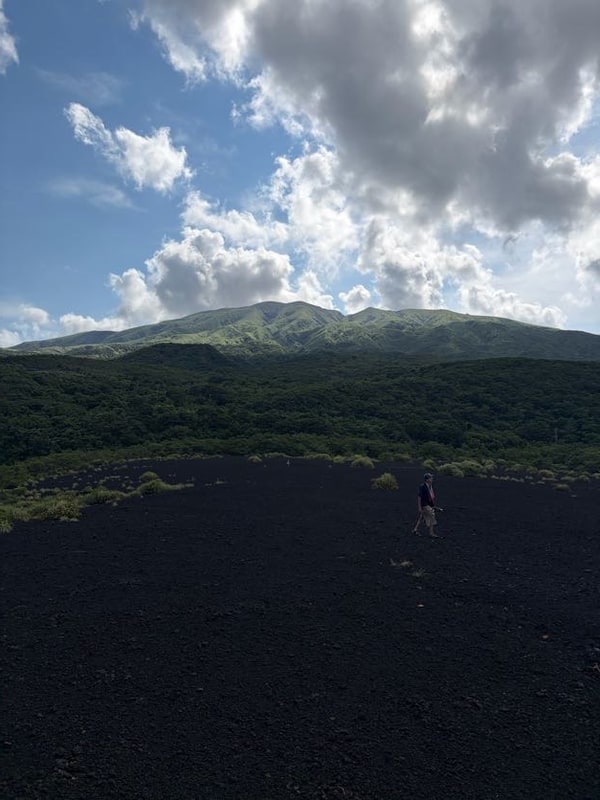
In those four and a half years, sixty percent of the island's forest died. Gas, and the rain and fog that the gas dissolved into, killed two and a half thousand hectares of it standing. Told as a figure the area does not register, but drive around and you cannot avoid it. Here and there on the slopes are places where only grey trunks stand, like the teeth of a comb.
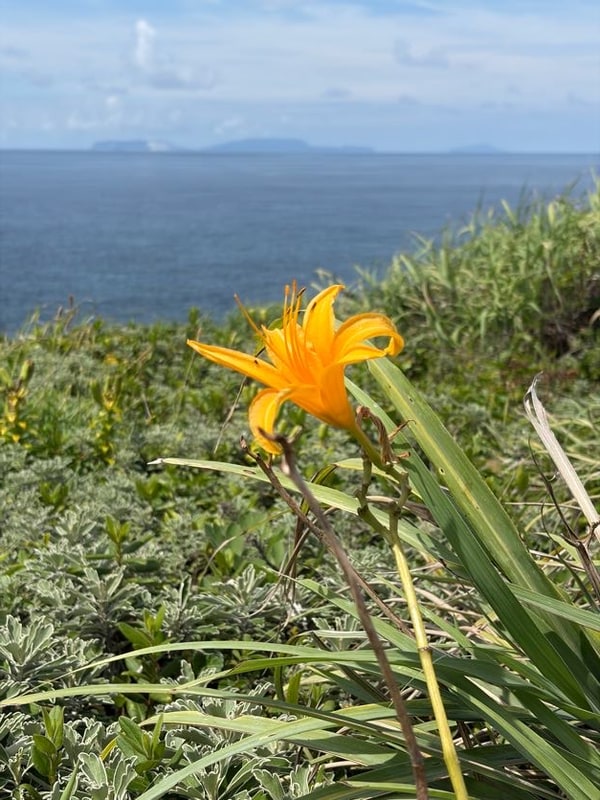
We went first up to the lookout on the mountain's flank. It is called Shichitō, the Seven Islands lookout, so named because on a clear day you can see from Ōshima in the north to Hachijō in the south. The day was clear enough, yet what my eye took in across the water was one island only, a flat crown of rock with a cloud sitting on it. There was nobody to ask the name of it, so I looked without asking. Seeing one where the sign promises seven is not the sign lying. It is my eye falling short.
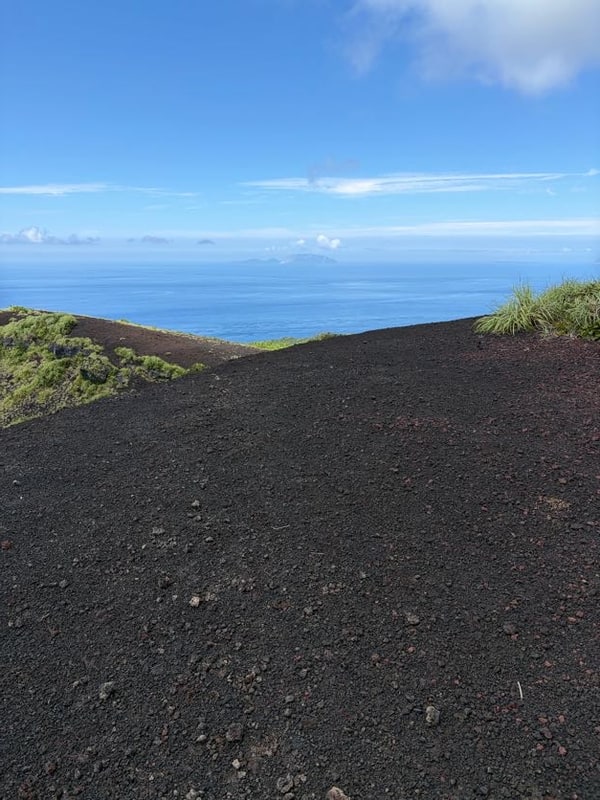
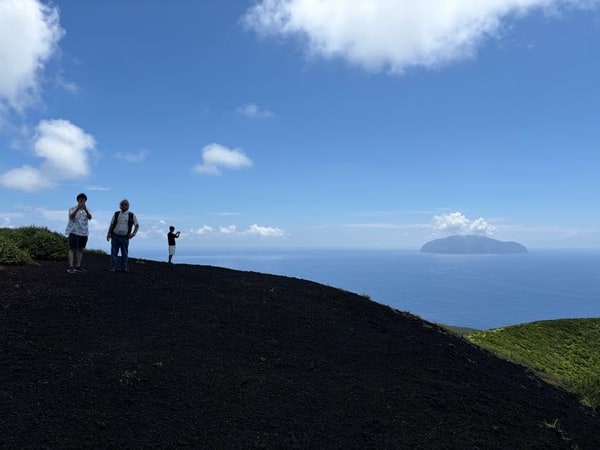
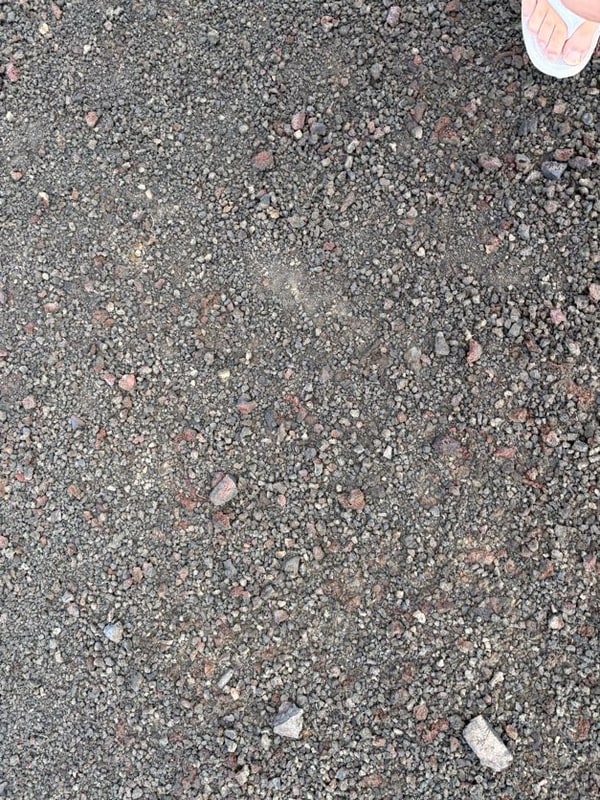
Underfoot it was all black. Scoria, the light stone thrown up and hardened in the air, lay heaped like gravel. Rust-red grains were mixed through it here and there. It made a dry sound when trodden on, and gave a little. On that black the three of them stood in a line looking at the sea. I watched from slightly apart, the three of them and the black they were standing on, together.
We went to a hill called Hyōtan-yama, the gourd hill. It is a scoria cone thrown up in the eruption of 1940 and shaped as the name says. The seaward side has been cut back by the waves so that the section is laid bare. Red and black alternate in bands, and the red is the colour iron takes when it burns. The colour of burnt iron, stacked in stripes to the whole height of the cliff. We stayed there a long while. I had carried a rod all the way to the island, and the place I stood longest was not a fishing ground.
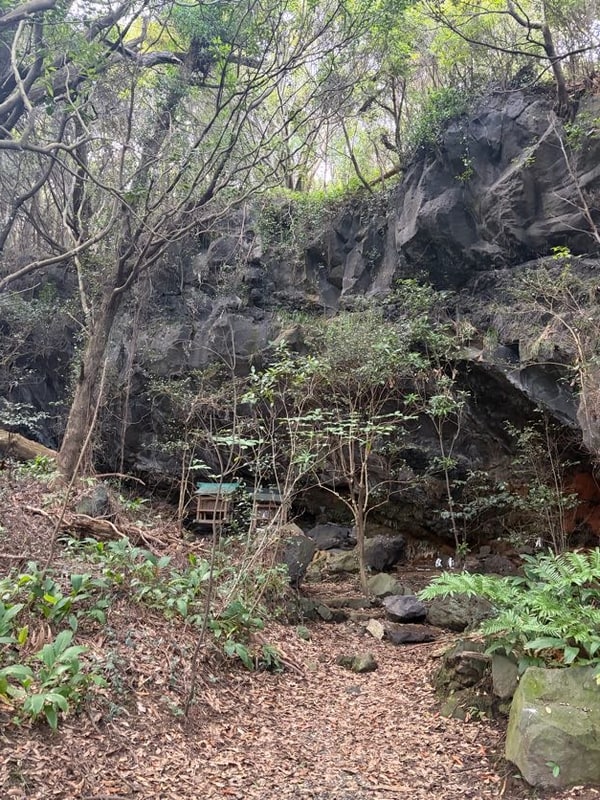
We stopped at Shiitori shrine as well. This is where the mudflow of the 2000 eruption swallowed the hall and the gate. Both have been built anew, but beside them the old gate is left buried, only its lintel showing above the ground. One length of timber out of the grass. The forest around it was mostly killed standing by that gas, and the grey trunks stand in a crowd. And between those trunks young green was coming up. The dead wood pointing up, and the leaves that had come from below, sitting in the same view. I stood in front of the lintel for a while without taking a photograph.
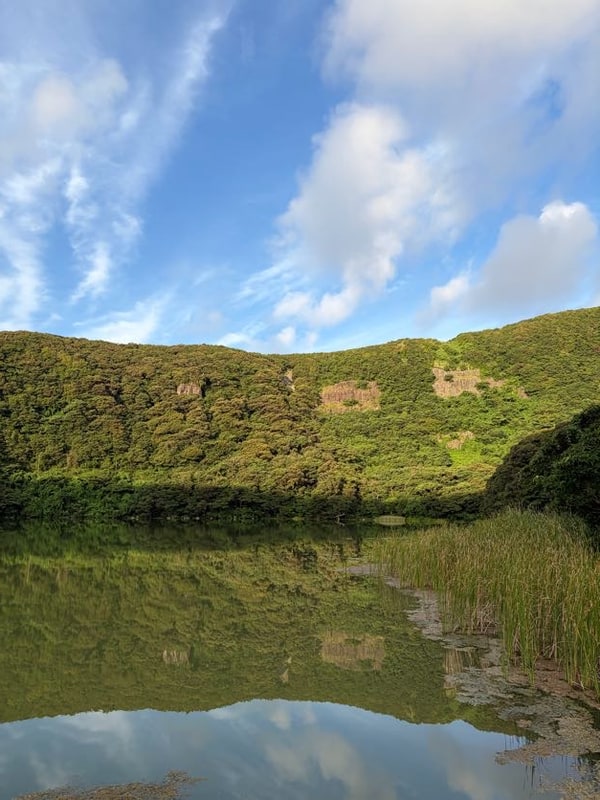
On the second day we got up in the dark and went to Tairo-ike. It is a pond of water gathered in an old crater, and the sign there calls it the lane with the most birdsong in Japan. The density of birds is such that the sheer quantity of song is said to be unmatched anywhere in the country. Having gone, I did not think it an exaggeration. It was still before sunrise, and the inside of the wood was one continuous sound. There was no telling where any of it came from. I gave up partway through trying to pick out one bird at a time, and simply stood.
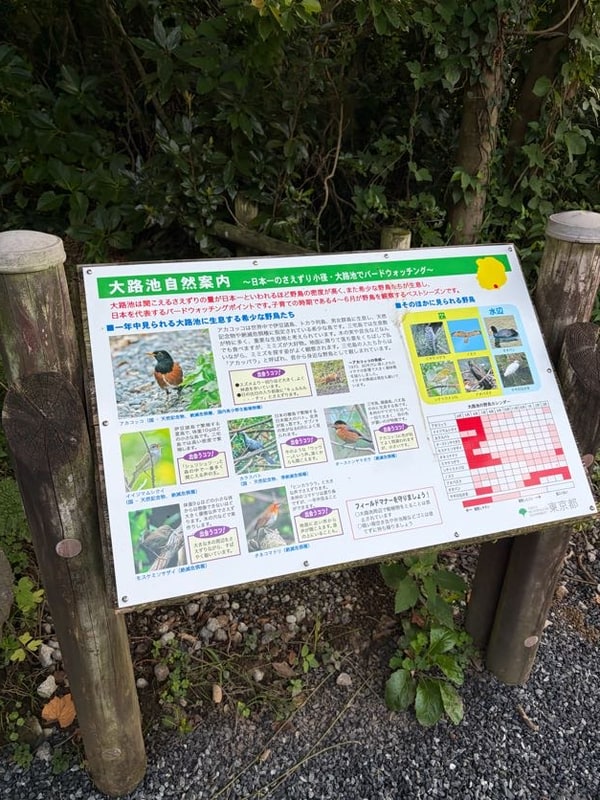
There is a bird on this island called the akakokko. It lives only in the Izu Islands, the Tokara Islands and the Danjo Islands, and it is designated a natural monument. Sixty percent of the forest died, so of course the bird declined with it. And yet a survey in 2016 put some seven thousand eight hundred of them on the island, one and eight tenths times the count of the survey seven years before. The sign said that for watching birds the breeding months of April to June are the best of it. We went in August, which is off the season. Off the season, and still that sound.
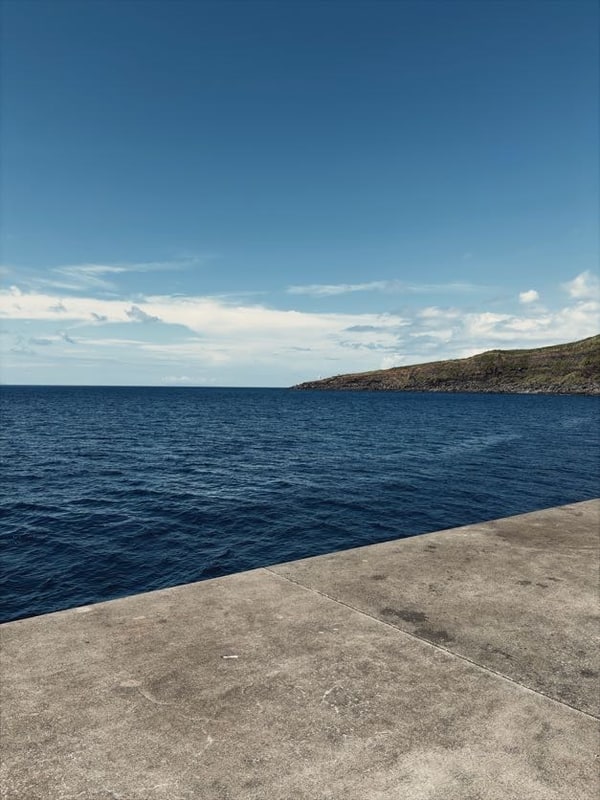
To the fishing. We put out rods in the afternoon, at a small harbour called Igaya on the west side of the island. The mountain rises immediately behind it, and looking down from the breakwater there are places where the stones on the bottom show and places where they do not.
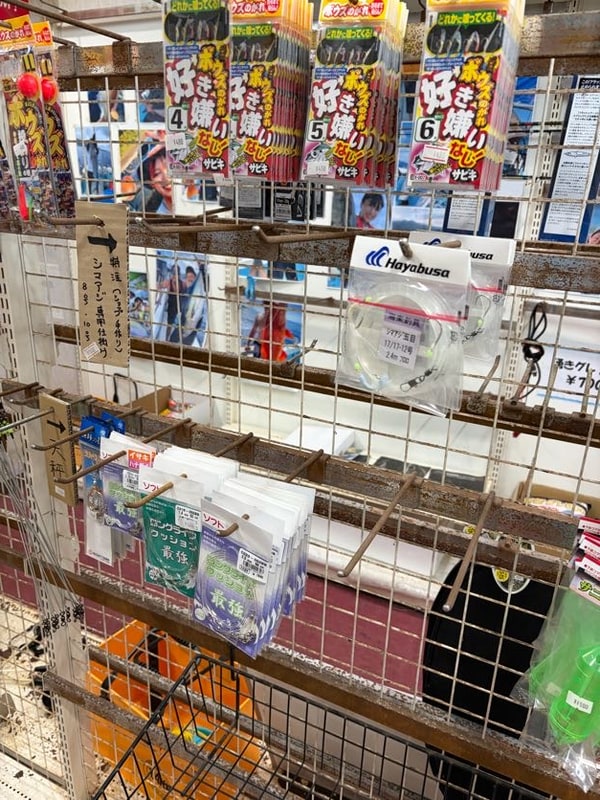
The rig had been bought that morning at the island's tackle shop. Out of a wall hung with sabiki rigs, he chose one by its name. Bōzu-nogare, Skip the Blank, and under it, No Fussy Eaters. A metre sixty of line, six hooks, small gold aji hooks with luminous beads, and printed on the packet, something will take one of them. I had never met a customer who chose a rig by its name. Then again, for a man holding a rod for the first time, I cannot think what else there is to choose by.
The tide that day was an odd one. Ordinarily the sea fills twice and empties twice in a day, but that day there was one high and one low and no more. It went out before dawn and then spent sixteen hours until night filling slowly, once. The range is only seventy centimetres, so from up on the breakwater there is no telling that it moves at all. There is no telling, and the water rises all day.
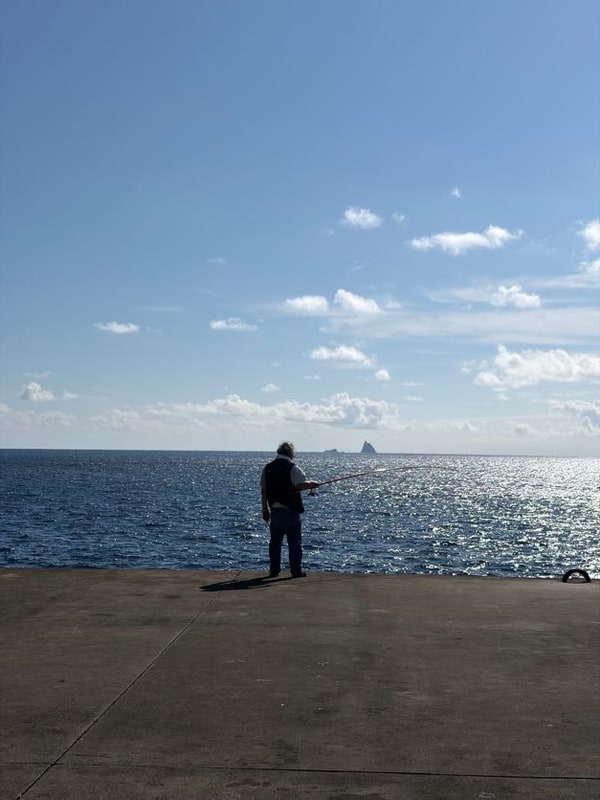
The elder of them had gone out to the head of the breakwater and was casting offshore. On a day when the tide will not run, working the distance is a reasoned choice. Watching that out of the corner of my eye, I set up my own rod at the edge of the concrete, the one with red thread wrapped at the ferrules. The water under the tip was clear and the stones on the bottom showed. Where it showed there were no fish. The young man was some way back toward the root of the breakwater, dropping his newly bought rig into the sea. He went through the motion of casting, but from the way the line went out it was less casting than simply sinking.
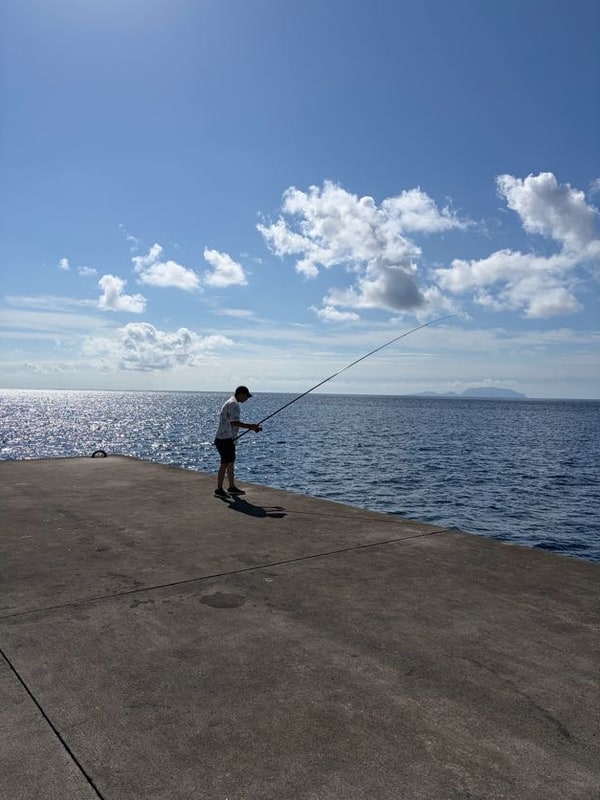
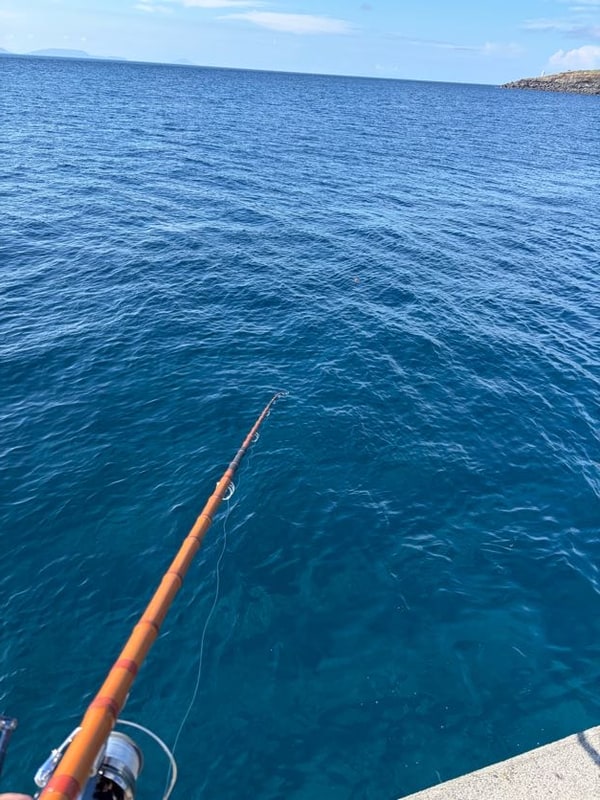
To the one simply sinking, it came.
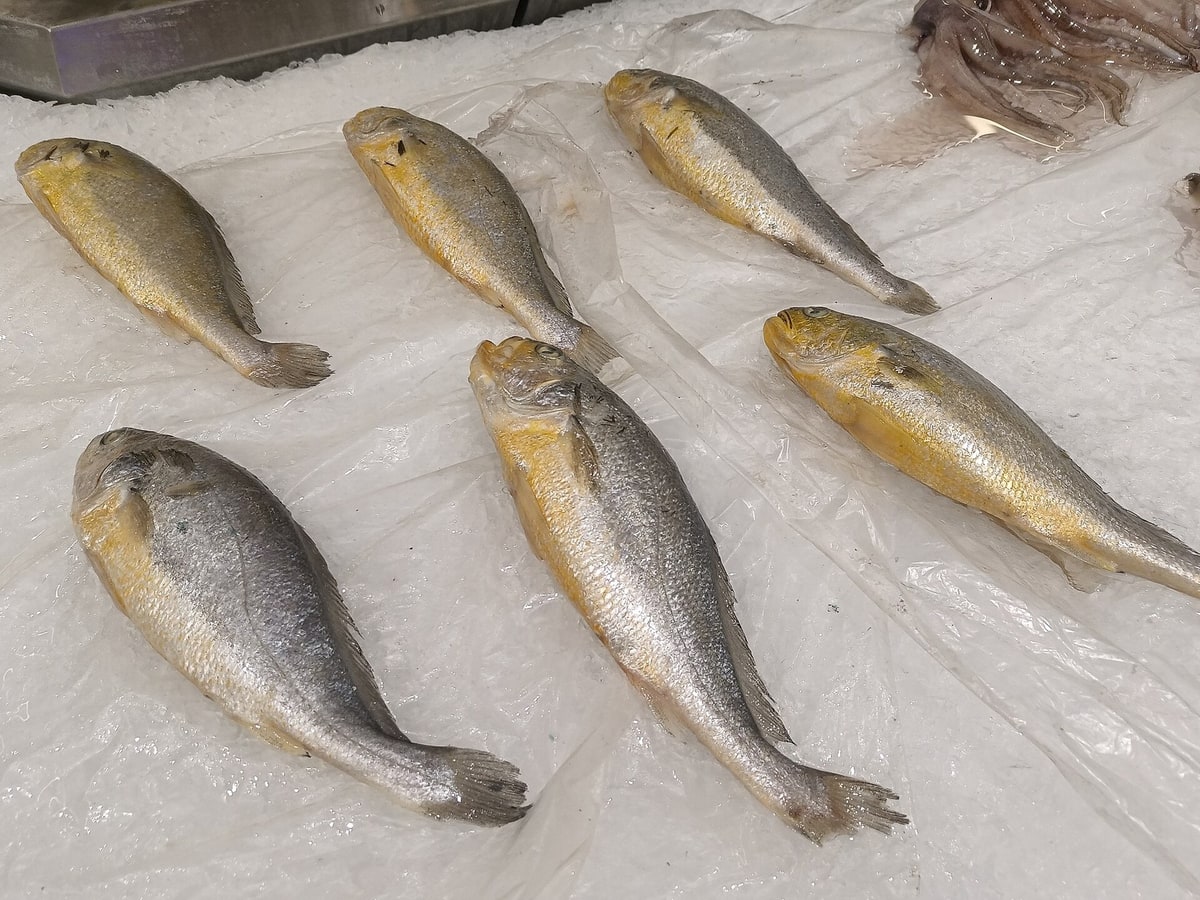
What came up was a fish of silver-white ground with black bars drawn across it and the upper back stained yellow. A little larger than a palm. He shouted at the moment it took and then said nothing at all until he had lifted it out. The rod at the head of the breakwater went on pointing offshore the whole time and nothing happened to it. I had some difficulty not laughing. Beside a man who has done this a long while, the one whose first day it is catches first. That is how fishing is made. I thought I knew it, but having it done in front of me it was funny after all.
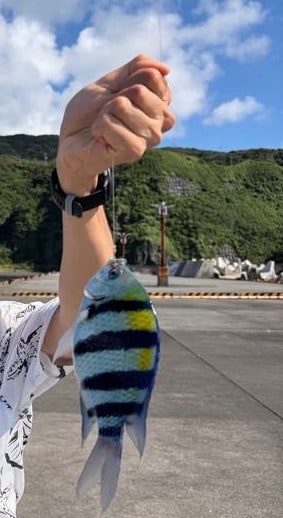
An oyabiccha, a sergeant major. A fish of the south. Through the summer the Kuroshio runs past Miyakejima. Fry born in southern water ride that current north and live around the island for the one summer. He was turning the thing over on his palm and holding it up to the light. He asked the name and I told him, and I expect it went out of him as it went in. I do not know many people who remember the name of the first fish they caught.
Having been told the name he put the rig straight back in the sea. From there it went long. The sun came down and he did not put the rod away. The elder called that we should pack up and he said one more cast, one more cast, and did not move. His casting never came right; he could not get the rod to load. It hooks anyway. It hooks, so he does not put it down. I know how this sort of heat comes on. When it comes it comes on the first day, and for those in whom it does not, it never does.
These fish cannot get through the winter. When the water cools they die. There used to be a blunt name for them, the extinction migrants. Lately they are more often called seasonal visitors, and I understand well enough the wish to rename them. Carried in on a current, there for the one summer, and then that is the end of it. A man holding a rod for the first time in his life goes on catching them, one more cast and one more cast. I left the rest of it unsaid. He did not ask, and saying it would not have altered anything.
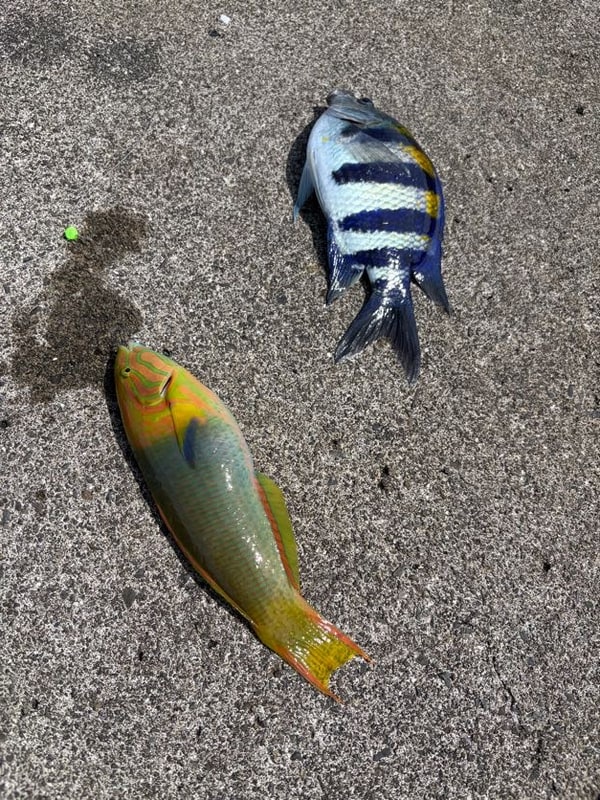
The next morning we called at the same harbour, two fish. One was another oyabiccha, the same as the day before, and the other was a long slender fish of green ground with pink and orange lines running back from around the eye. A yamabukibera, a sunset wrasse. The front half of the pectoral fin yellow, the back half blue. Laid side by side on the harbour concrete, one in bars and one in lines, they do not look like things that came out of the same sea on the same morning. He crouched down and looked at them for a long time.
Both of them begin to sink in colour a little after they leave the water. The barred one draws toward deep navy over its whole body; the green one stays green and darkens by degrees. There is something in a fish by which, when it dies, the name tag goes first: the places that carry the marks you tell it by lose their colour soonest. What could be read at a distance while it lived cannot be read ten minutes later. I always find this a small waste.
At night we went out to the breakwater once more. The same harbour we had landed at that first morning. The lava of 1983 came down to just above this harbour and stopped there, having burnt four hundred houses, stopping short of the shore. At the foot of that lava, where the street lights do not reach, we dropped rigs for about an hour, three fish. All three of them his.
One was silver, large-eyed, with black bands set in the forked tail. A ginyugoi, a barred flagtail, a fish that moves at night. The remaining two were red. One had white blotches scattered irregularly on a red-orange ground, the other the reverse, red blotches set on a ground where the white had the upper hand. Set side by side they look like entirely different fish, but both are gomahirekintoki, glass bigeye. It is the eye that tells you. The bigeyes carry an eye out of all proportion to the body, the eye of a fish that works at night. The colour, for its part, runs anywhere from red to grey-brown as the fish sees fit. The same fish had come up within the same hour of the same night with the white and the red turned inside out, which meant that to him it looked like two species. When I said it was not, he seemed a little disappointed.
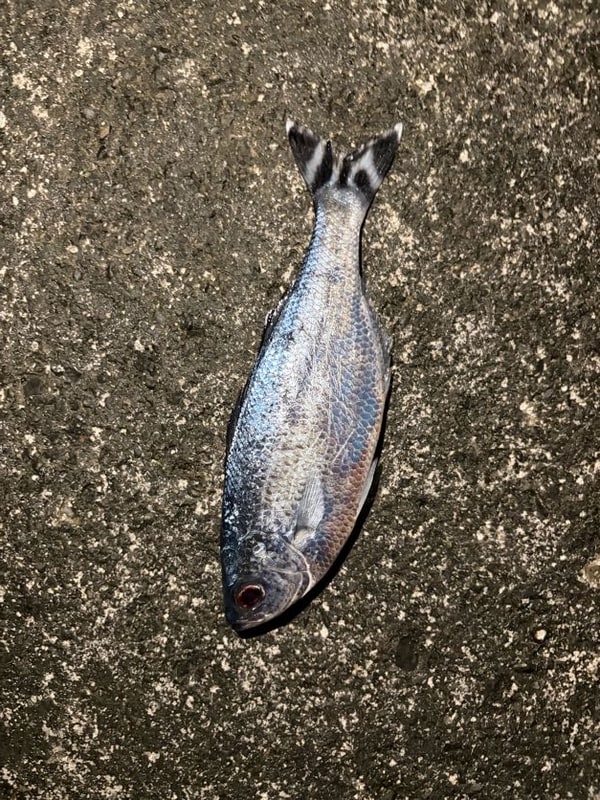
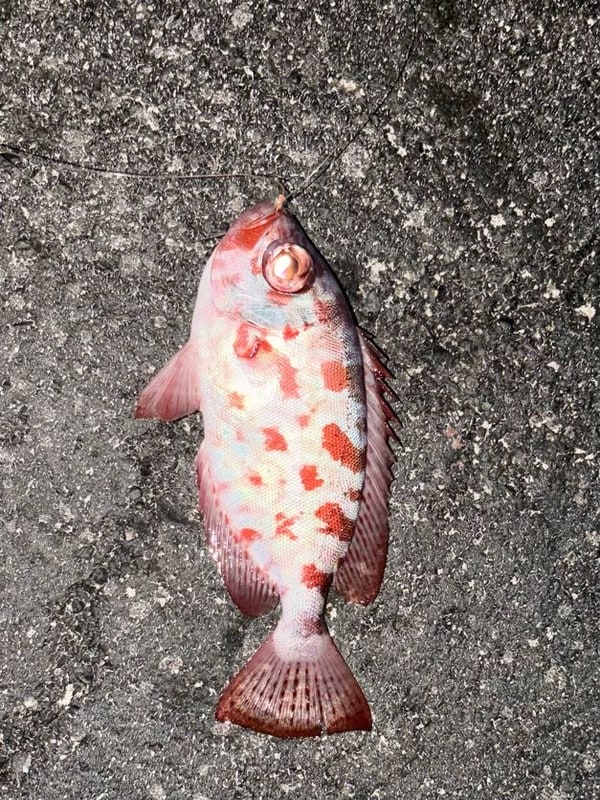
Both the ginyugoi and the gomahirekintoki are fish that hold to the ne, the broken rock of the sea floor, and on this island that rock is lava that fell into the sea and set. In the gaps of what burnt and ran and cooled, fish are now living. From the top of the breakwater nothing of it can be seen, but each time something pulled at the end of the line, at least that much was clear: there is rock there, and there are fish in it.
The sea, though, has not come back as quickly as the land. After the eruption, ash and mudflow ran into the shallows and the inshore rock fishery fell away. The year before the evacuation the landings were five hundred tonnes; for some years afterward they did not reach two hundred. It took seven years from the death of the forest for the birds to reach one and eight tenths of their count, and the sea seems to be taking longer than that. For fish to move into burnt rock, it is not enough that the rock has cooled.
Back at the inn we sat in a ring on the floor of the room. One square bottle of cognac on the tatami, glasses with ice beside it, and next to those a stack of instant noodles. As an assortment it is dreadful, but a room on an island at night generally comes to this. The night before had been the same. He did not once talk about the fish he had caught. It may be no more than that he did not know their names and so had nothing to say.
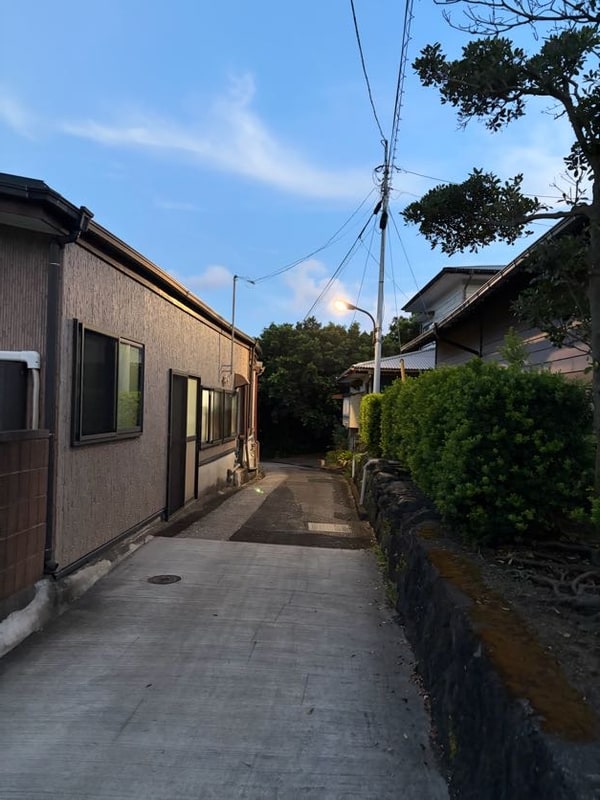
Six fish in two days, five species. Writing down numbers is not to my taste, but that one man caught all of them, and that until that day he had never held a rod, will not carry unless they are written. Neither the elder nor I raised a single fish in the two days. Only the one who picked the packet with something will take one of them printed on it got precisely that.
About a week after we left the island a cold current is said to have come into that water. The temperature, which had been twenty-seven degrees, fell by three or four. Which means those two days fell at the end of the warm water. What became of the companions of the fish he held on his palm, the ones still out there, I do not know.
Looking back, what we saw in those two days was the burnt ground and what had come back to it, and nothing else. Young leaves around a gate with only its lintel out of the earth; on the site of a dead forest, birds singing in what is said to be the greatest quantity in the country; fish in the gaps of cooled lava. None of it is more than what happens when a thing is let alone, and nobody arranged any of it. We were walking on top of it.
He says he wants to go again. He has probably not retained a single one of the names. Perhaps one catches better for not retaining them, I began to write, and stopped. Written down, it leaves me nowhere to stand.