When January comes in, word arrives from the lakes of Shinshu and Joshu: the ice has set, come quickly. It does not arrive at my house but at the houses of the regulars at the fishing inns, and once I catch wind of it passing from one person to another, I am finished. Whatever my work has been arranged around, nothing will do but to go. Why it should be so I cannot say myself.
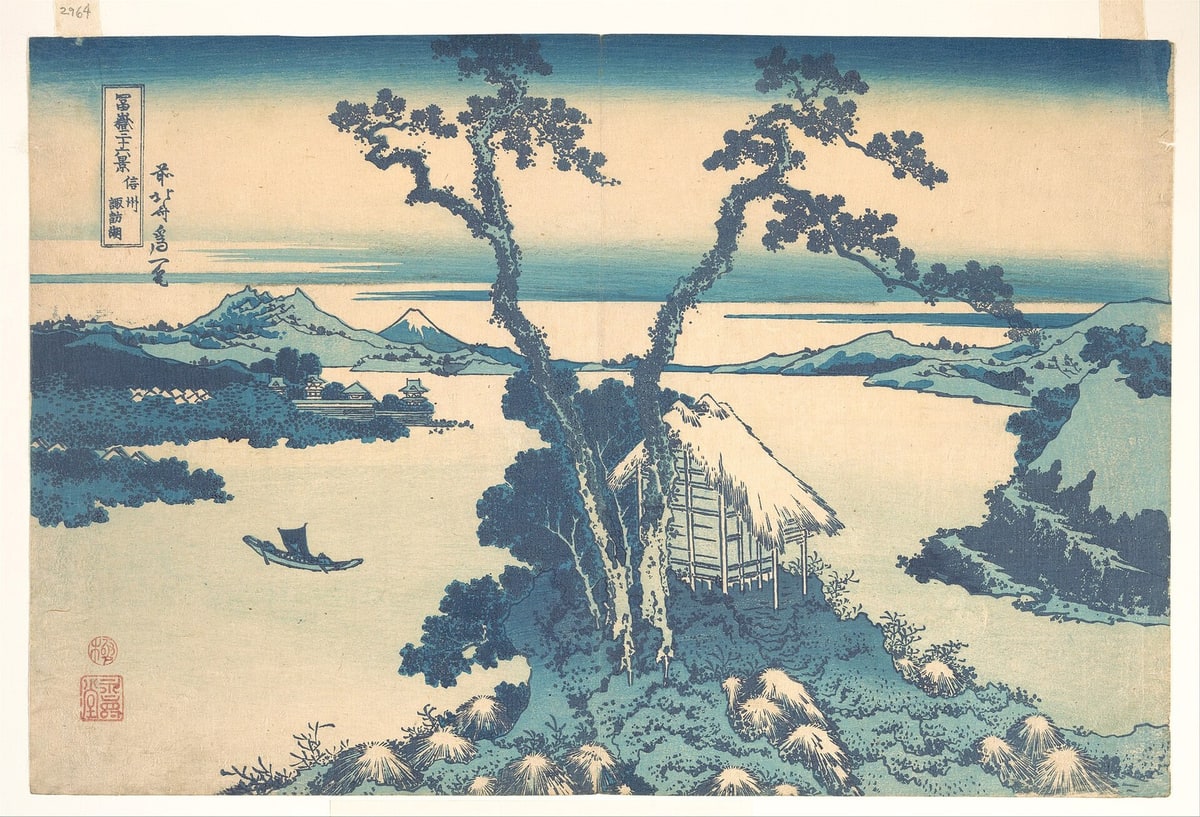
Katsushika Hokusai / The Metropolitan Museum of Art (CC0)
To fish for wakasagi. From under the ice, one at a time, you draw up a fish thinner than a finger, white and translucent. That is all it is.
The Name "Public Fish"
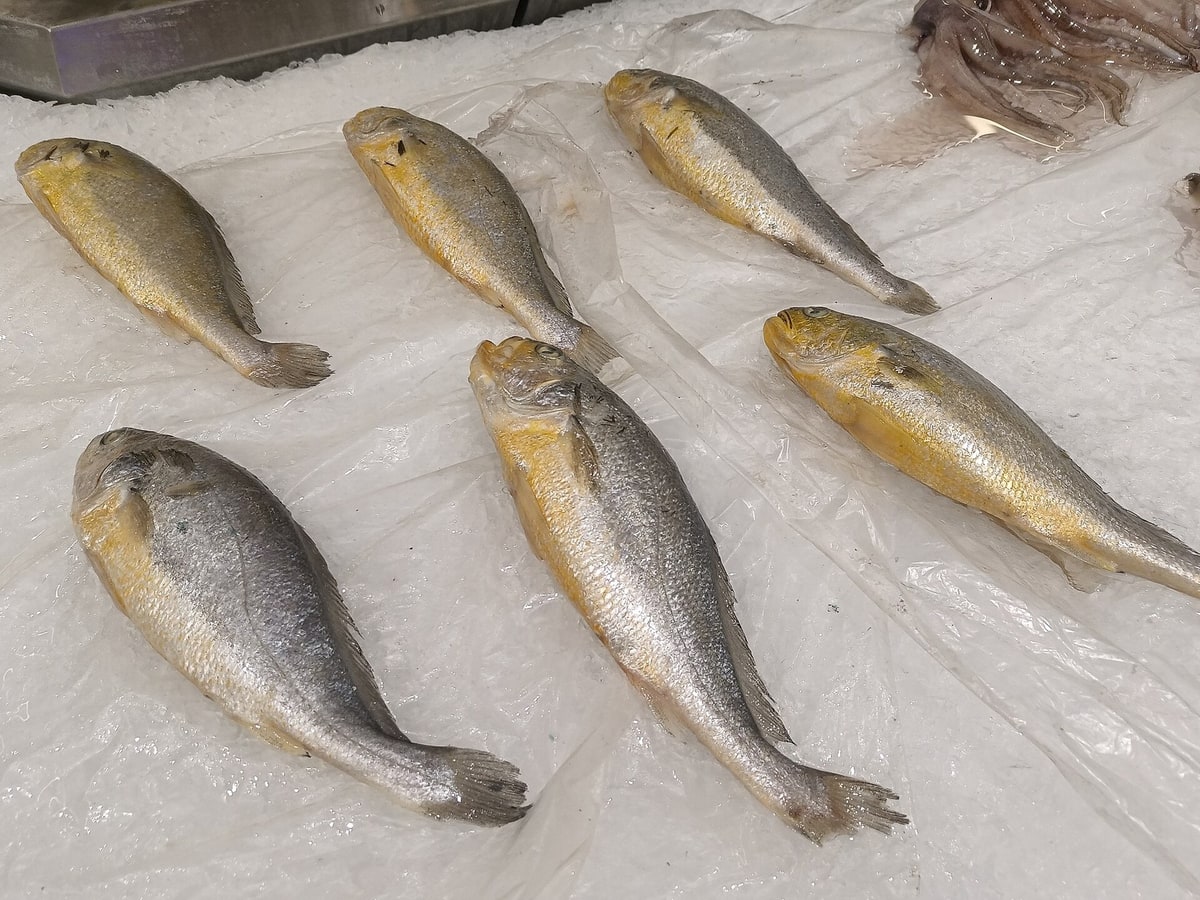
The Tokugawa shoguns are said to have relished the wakasagi of Lake Kasumigaura and taken them in annual tribute, and from that the fish was given the characters for public fish. The public's fish, which is a very grand thing to write. Asked whether it is a fish that deserves so grand a name, the answer is that it is. Left on the ice as soon as it is caught, it freezes at once. Carried home, skewered, fried as tempura or in breadcrumbs, squeezed with lemon and eaten hot with salt, a fish thinner than a finger collapses in the mouth like meltwater. The shogun who called it the public fish had, I think, a reasonably sound palate.
The Lakes That Freeze
Lake Yamanaka in Shinshu, Lake Haruna in Joshu, Lake Suwa in Shinano. The lakes known for ice fishing all lie high, and from the coldest of the year until past the turn of the season they freeze over entirely. Once the ice passes four inches, huts go up on it. Barrack-like boxes to keep the wind off, with rice straw laid inside and, for a fire, half a copper pot fitted with a wire handle. Shut the door and sit inside, and it is warm even with a blizzard outside. The local people speak of the ice tightening, and the crackling of it comes up through your feet. A first-timer starts, thinking the ice has broken; the locals laugh. Fuji stands in front of you, silver in every direction, and the clean air has swept the place bare.
There is a preface to this that does not often get written. In most of the lakes known for smelt fishing on the ice, the wakasagi were not there to begin with.
The fish belongs by rights to Kasumigaura and Kitaura, in the low country. It is not a fish of high mountain lakes. In 1915 eggs were carried from Kasumigaura to Lake Suwa and released, and they became the pillar of the Suwa fishery. By 1918 they had crossed to Lake Ashi. The spread across the rest of the country is reckoned to begin in the 1910s, when a fisheries zoologist named Amemiya Ikusaku moved Kasumigaura eggs to Lake Yamanaka, Lake Suwa and Lake Ashi. Something like a hundred million eggs went into Lake Biwa as well, between 1910 and 1919, but there they did not take.
Which is to say that what one takes on the ice in Shinshu is descended from fish carried up from a lowland lake a hundred years or so ago. What went to the shogun was the Kasumigaura fish. The mountain lakes are a later story altogether. I had been under the impression that I was fishing for a fish of the place. I was not.
The Tackle
Now the tackle. The rod is a short hand-line rod of about a foot, its tip made from whale baleen. A rod of a foot and a half is in the way on ice, so until about the Meiji era they were sold long and the angler cut them down himself. Baleen has spring in it and picks up the fine touch of a wakasagi well. Rods with baleen tips, made by rod makers, are still about. I use a cheap glass one tossed out at the front of a tackle shop, and mean one day to have a baleen one made. Saying I mean to have one made, I sit on the ice every year with the same cheap rod.
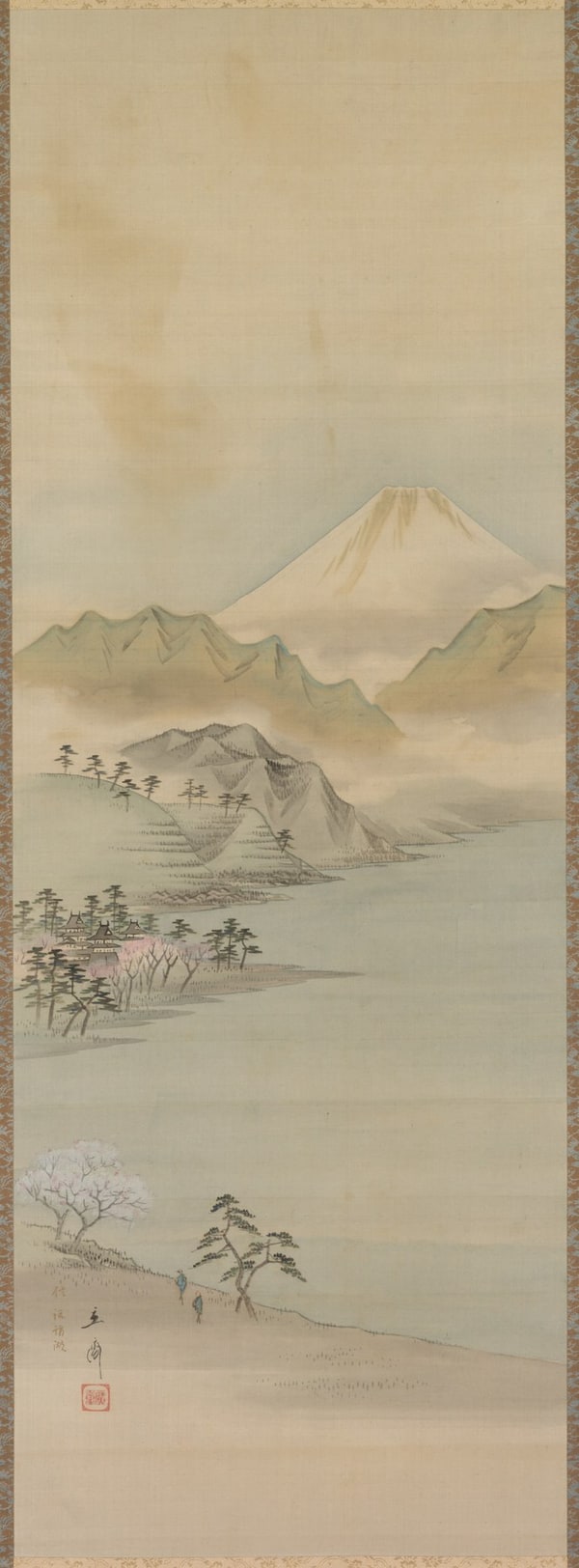
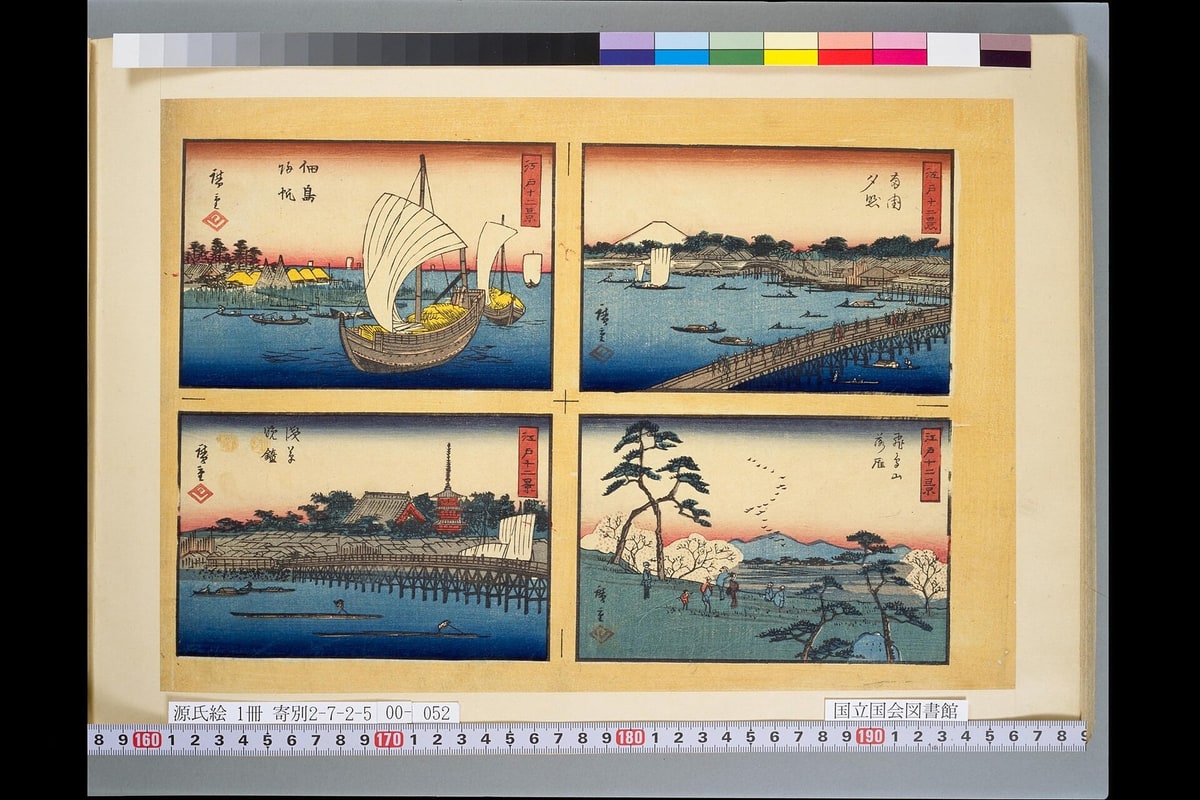
Utagawa Hiroshige / The Cleveland Museum of Art (CC0)
For the line, in the days of the bamboo rod, they used real silkworm gut dyed black, a rin and a half of it. White line is hard to see on ice, so it was dyed. Nylon of 0.5 would stand in for it now, but the reasoning — black line shows against the white of the snow — holds exactly as it did. The line is run out to the length of the rod with a metre or so to spare, and a swivel is put on. This is less for taking the twist out of the line than for the trick of it: when you are hauling in a hurry, the metal knocks against the ice and tells you there is one metre left. The tippet is nylon of one rin, and five or six sleeve-pattern hooks of two rin are set out along it like branches.
The bait is sashi, the maggot they call sabamushi in the Kansai. Once on the hook it will serve half a day. Because there is little rebaiting to do, a child can keep at it. Even when one is on, you do not lift at once; bringing it up slowly, four inches, eight inches, wakasagi come onto the next hook and the next, five and six of them. Done carefully, a child with sensitive fingertips will often out-fish an adult with experience. Children are straightforward and do as they are shown. A half-experienced man like me tries some trick of his own and fails by it.
Getting Ready on the Ice
For walking on snow, you either strap crampons over rubber boots or nail four bottle caps to the soles of wooden clogs for grip. On ice you walk with short steps. This I was taught by a local man, after walking with long ones and coming down spectacularly. Watch someone else fall and laugh, and the one who laughed goes down next. Ice fishing for wakasagi begins with slipping and falling over.
When a skin of ice forms over the hole, you scoop it out with an ash sieve. An angler who brings an ash sieve from home is perhaps a rare sight, but forget it and the hole you went to the trouble of opening will gradually close. Lay the wakasagi you have caught on the sieve, hold it over the fire, and you have an improvised yakiju. On the ice, eating fish grilled the moment they are taken. Beside this, the food that comes up to the first floor of a teahouse has not a scrap of the wild in it.
Once the turn of the season is past and the ice on the lake begins to soften, the wakasagi run up the inflowing rivers and spawn. The next you will meet them is autumn, when you take the young fish born that year in the shallows. A wakasagi becomes a parent within the year. The year is quick, and the same thing comes round again.
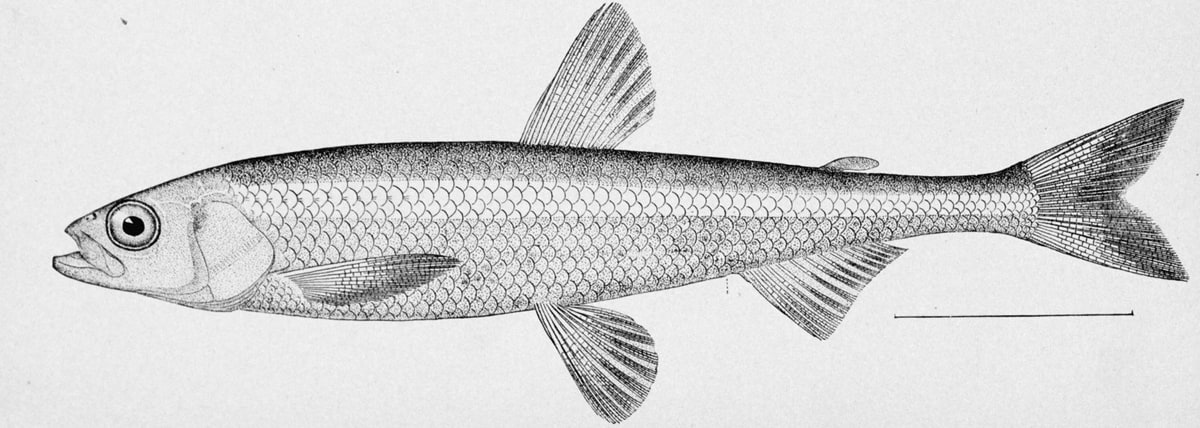
René Reyes / US Bureau of Reclamation (public domain)